

Animal Experiment Manual
Handling and Restraint
This section explains the purpose of restraining laboratory animals and the classification methods using hands and tools.
1. Purpose of Restraint
- 1
Intraperitoneal injections
- 2
Oral gavage
- 3
Bleed
2. Classification of Restraint
-
1
Using hands
- Restrain the part of the tail closest to the body
- Restrain the skin fold at the back of the neck using the thumb and index finger
- Restrain the tail together with another area of skin
-
2
Using tools
- Method using a tube
- Method using a restraint device
Oral Gavage
This section explains the recommended dose and method for intragastric administration of liquid diets, test substances, and drugs.
1. Purpose of Oral Gavage
- 1
Feeding a liquid diet
- 2
Administration of test substances
- 3
Administration of drugs
2. Recommended Dose
- 1
0.1 ml / 10 g
- 2
Adjustment is required depending on the properties of the solution
3. Precautions
-
1
Do not apply pressure
- May cause perforation of the esophagus or trachea
- Let the substance pass naturally by the weight of the syringe and gravity
-
2
If resistance is felt, stop and try again
-
3
Since the animal's movement may interfere with administration, accurate restraint is required
4. Method
Perform accurate restraint to enable oral gavage of the mouse
Measure the length between the mouse's nose and stomach using the gavage needle (sonde)
Insert the gavage needle toward the back of the oral cavity and keep the head positioned so that the body and the syringe are parallel
At the appropriate position, let it insert naturally by the weight of the syringe and gravity
Intraperitoneal Injection
This section explains the location and procedure for intraperitoneal administration of anesthetics and drugs.
1. Purpose of Intraperitoneal Injection
- 1
Administration of anesthetics
- 2
Administration of drugs
2. Recommended Dose
0.2 ml / 10 g
3. Precautions
- 1
Take care not to damage the internal organs during administration
- 2
Since the animal's movement may cause organ damage, accurate restraint is required
4. Method
When the abdomen of the restrained mouse is divided into four quadrants, select an appropriate position in the lower left quadrant
Insert into the peritoneal cavity at an angle of about 45°, pull the plunger back to check for air bubbles at the tip of the syringe, then proceed with administration
Subcutaneous Injection
This section explains the location for administering drugs under the skin and the method of forming a skin fold.
1. Purpose of Subcutaneous Injection
- 1
Administration of anesthetics
- 2
Administration of drugs
2. Recommended Dose
- 1
Single site: do not exceed 1 ml (for a 25 g mouse)
- 2
Multiple sites: 0.1 ml / 10 g (maximum 0.4 ml / 10 g)
3. Precautions
- 1
Take care that the injection needle does not penetrate through
- 2
Since the animal's movement may cause muscle damage, accurate restraint is required
4. Method
Pull the mouse's skin to form a fold
Pass the needle through the lower part between the skin folds and inject
If the injection site is on the back, use a surgical drape or towel to expose only the injection site
Pull the skin on the back to form a fold
Pass the needle through the lower part of the skin fold, then inject
Tail Vein Injection
This section explains the procedure for administering anesthetics, drugs, and cells via the tail vein.
1. Purpose of Tail Vein Injection
- 1
Administration of anesthetics and drugs
- 2
Administration of cells and proteins
2. Recommended Dose
Within 0.2 ml
3. Precautions
-
1
Warm the tail before administration
- Induces vasodilation
- Isoflurane anesthesia also induces vasodilation
-
2
Begin administration from the tip of the tail
- Start from the point one-third from the distal end
- If attempted from the body side and unsuccessful, blockage occurs
4. Method
Align the administration site straight with the lateral tail vein, then insert the needle
Confirm that blood appears at the tip of the syringe, then proceed with administration
Tail Vein Blood Collection
This section explains the procedure and precautions for collecting a small amount of blood for blood tests.
1. Purpose of Tail Vein Blood Collection
Collection of a small amount of blood for blood tests
2. Recommended Volume
Within 0.1 ml
3. Precautions
-
1
Warm the tail before collection
- Induces vasodilation
- Isoflurane anesthesia also induces vasodilation
-
2
Begin collection from the tip of the tail
- Start from the point one-third from the distal end
- If attempted from the body side and unsuccessful, blockage occurs
4. Method
Align the collection site straight with the lateral tail vein, then insert the needle
Confirm that blood appears at the tip of the syringe, then proceed with administration and collection
Anesthesia
This section explains the selection of injectable and inhalation anesthetics and the operation of the chamber.
1. Considerations for Anesthesia
- 1
Minimize the pain and fear caused to the animal by the experiment
- 2
A means to safely and easily handle, observe, measure, and operate on animals
2. Selection of Anesthetic
-
1
Injectable anesthetics
- The effect must be distinguished according to concentration
- The intraperitoneal route is widely used
- Intramuscular injection can reduce the dose but has lower reliability
-
2
Inhalation anesthetics
- No problem of dose-dependent side effects
- Characterized by rapid induction and recovery
3. Method of Inhalation Anesthesia
-
1
Injection anesthesia
- Administer the injectable agent according to the method
- SC, IP, IV
-
2
Inhalation anesthesia
- Check the equipment and connect the oxygen line
- Place the animal in the chamber and adjust the oxygen concentration
- Adjust the vaporizer and open the valve - when adjusting the vaporizer, always press the hook and increase the anesthetic gas concentration; the hook does not need to be pressed when locking the anesthetic gas; the concentration at introduction of the anesthetic gas is 5%
- After anesthesia is sufficiently achieved within the chamber, lock the valve and adjust the oxygen and vaporizer concentrations - adjust the vaporizer concentration to 2–3%
- Open the mask valve and position the mouse in the nose cone
- After use, lock the vaporizer, lock the oxygen, and lock the valve
- Clean the used chamber and organize the equipment
Euthanasia
This section explains the considerations and methods for a painless endpoint.
1. Considerations for Euthanasia
- 1
Induce unconsciousness and death without accompanying pain, stress, or fear
- 2
The emotional effect on the operator or observer
- 3
As a principle, the time from the procedure until loss of consciousness should be as short as possible
- 4
Perform euthanasia at the humane endpoint or to terminate the experiment
2. Method of Euthanasia
- 1
Overdose of anesthetic; high-concentration pentobarbital anesthetic
- 2
Use of CO₂
References
Patricia V T, et al. (2011)
Administration of Substances to Laboratory Animals: Routes of Administration and Factors to Consider. JAALAS 50: 600-613.
Hans Hedrich (2004)
The Laboratory Mouse. Academic Press. Chapter 31-34.
James G. F, et al. (2009)
Laboratory Animal Medicine, 2nd edition. OKVET. Elsevier 860-900.
Pain Category Classification
USDA Pain and Distress Categories - 4-level classification table.
| Category | Examples |
|---|---|
|
USDA Category B
No pain or distress |
|
|
USDA Category C
Slight or momentary pain or distress, or no pain or distress |
|
|
USDA Category D
Pain or distress appropriately relieved by analgesia, tranquilization or anesthesia |
The following clinical signs when relieved with analgesics (but are relieved with analgesics):
|
|
USDA Category E
Unrelieved pain or distress |
- |
1 If tail snips are collected to genotype the animals, Category B is not appropriate.
Major Drug Dosages (Antibiotics · Analgesics · Anesthetics)
Recommended doses and trade names based on mice.
| Treatment | Anesthetics | Analgesics | Antibiotics | ||||||
|---|---|---|---|---|---|---|---|---|---|
| Drug | Ketamine + Xylazine | (Tiletamine + Zolazepam) + Xylazine | Isoflurane | Acetylsaliclic acid | Acetaminophen | Ketoprofen | Meloxicam | Gentamicin | Cephalexin |
| Dosage | 80–100 mg/Kg + 10 mg/kg | 30 mg/kg + 10 mg/kg | 2–5% induction, 0.25–4% maintenance | 100–150 mg/kg | 200 mg/kg | 5 mg/kg | 1–2 mg/kg | 4–20 mg/kg | 30 mg/kg |
| Route | IP | IP | - | PO | PO | SC, IM | PO, SC | SC, IM | PO |
| Duration | 20–30 min | 40 min | - | 4 hours | - | 24 hours | 24 hours | 12 hours | 12 hours |
| Trade name | Ketara (50 mg/ml) + Rompun (23.32 mg/ml) | Zoletil 50 (50 mg/ml) + Rompun (23.32 mg/ml) | - | Aspirin | Tyrenol | Ketoprofen (100 mg/2 ml) | Metacam (5 mg/ml) | Gentamicin sulfate (20 mg/2 ml) | Methyl ocephalexin lysinate (500 mg/cap) |
| Dosage (mouse, ml/10 g) |
0.02 ml/10 g + 0.004 ml/10 g, IP | 0.006 ml/10 g + 0.004 ml/10 g, IP | - | - | - | 0.001 ml/10 g | 0.004 ml/10 g | 0.02 ml/10 g | - |
| Comment | - | - | - | Nonsteroidal anti-inflammatory | Nonsteroidal anti-inflammatory | Nonsteroidal anti-inflammatory | Nonsteroidal anti-inflammatory | - | - |
* Source: Exotic Animal Formulary 3rd edition (James W. Carpenter), Laboratory Animal Medicine 2nd edition (James G Fox, Lynn C. Anderson).
Humane Endpoint Criteria (Mouse)
Slight / moderate / serious criteria by tumor, body weight, appearance, and clinical sign scale.
| Mouse | Scale | Slight consideration | Moderate consideration | Serious consideration |
|---|---|---|---|---|
| Tumor | Consider euthanasia when the tumor weight is about 10% of body weight, when the size is 1 cm³ or larger, or when the tumor shows ulceration or necrosis | |||
| Body weight | Body weight | Weight loss of 10% or more over 7 days | Weight loss of 10–25% over 7 days | Weight loss of 25% or more over 7 days |
| Food/water intake | 40–75% intake over 3 days | 40% or less intake over 3 days | Anorexia over 3 days; only 40% of dietary intake over 7 days | |
| Appearance | Piloerection | Partial | Severe piloerection | Severe piloerection + hunched posture |
| Posture | Temporary hunching | Intermittent hunching | Continuous hunching | |
| Clinical signs | Respiration | Normal | Intermittent abnormal respiration | Labored respiration |
| Tremors | Temporary | Intermittent | Continuous | |
| Convulsions | None | Intermittent (10 minutes or less) | Continuous (euthanize if 10 minutes or more) | |
| Exhaustion | None | Temporary (1 hour or less) | Continuous (1 hour or more; euthanize if 2 hours or more) | |
Methods of Euthanasia
The following methods may be used according to the study protocol.
-
1
Use of inhalation anesthetics or CO₂
Euthanasia is performed by exposure to a higher concentration than that used to maintain anesthesia. Because unwanted revival may occur, it must be combined with cervical dislocation or diaphragmatic incision. If sufficient air is not supplied during the induction period, hypoxemia may be induced, causing the animal pain before it loses consciousness. Inhalation anesthetics or CO₂ are used for animals in which intravenous administration is difficult, such as rodents and rabbits weighing less than 1 kg.
-
2
Exsanguination under anesthesia
Under deep anesthesia (use 3–4 times the maintenance dose in the case of injectable anesthetics), exsanguination is performed to ensure the death of the unconscious animal. Because inducing hypovolemia is accompanied by pain, exsanguination must not be used as the sole method of euthanasia.
-
3
Use of injectable agents
This method can be used for animals in which intravenous access is easy (rabbits, dogs, cats, pigs, etc.). After inducing deep anesthesia through inhalation or injection anesthesia, KCl is slowly injected intravenously to bring about euthanasia. However, barbiturate-class drugs with a narrow margin of safety can achieve euthanasia by overdose alone, without the injection of KCl.
-
4
Cervical dislocation and decapitation
This is performed in special cases such as when tissues must not be chemically contaminated. In particular, decapitation is applied when undamaged brain tissue must be obtained for research purposes. When performed by a well-trained person, euthanasia can be achieved, but there is no scientific basis for standardizing such methods. Performing it under anesthesia is humane; otherwise, approval must be obtained from the IACUC regarding the reason these methods must be used.
Pig Animal Experiment Manual: Restraint
1. Supine Restraint (restraint of small pigs ~15 kg or less)
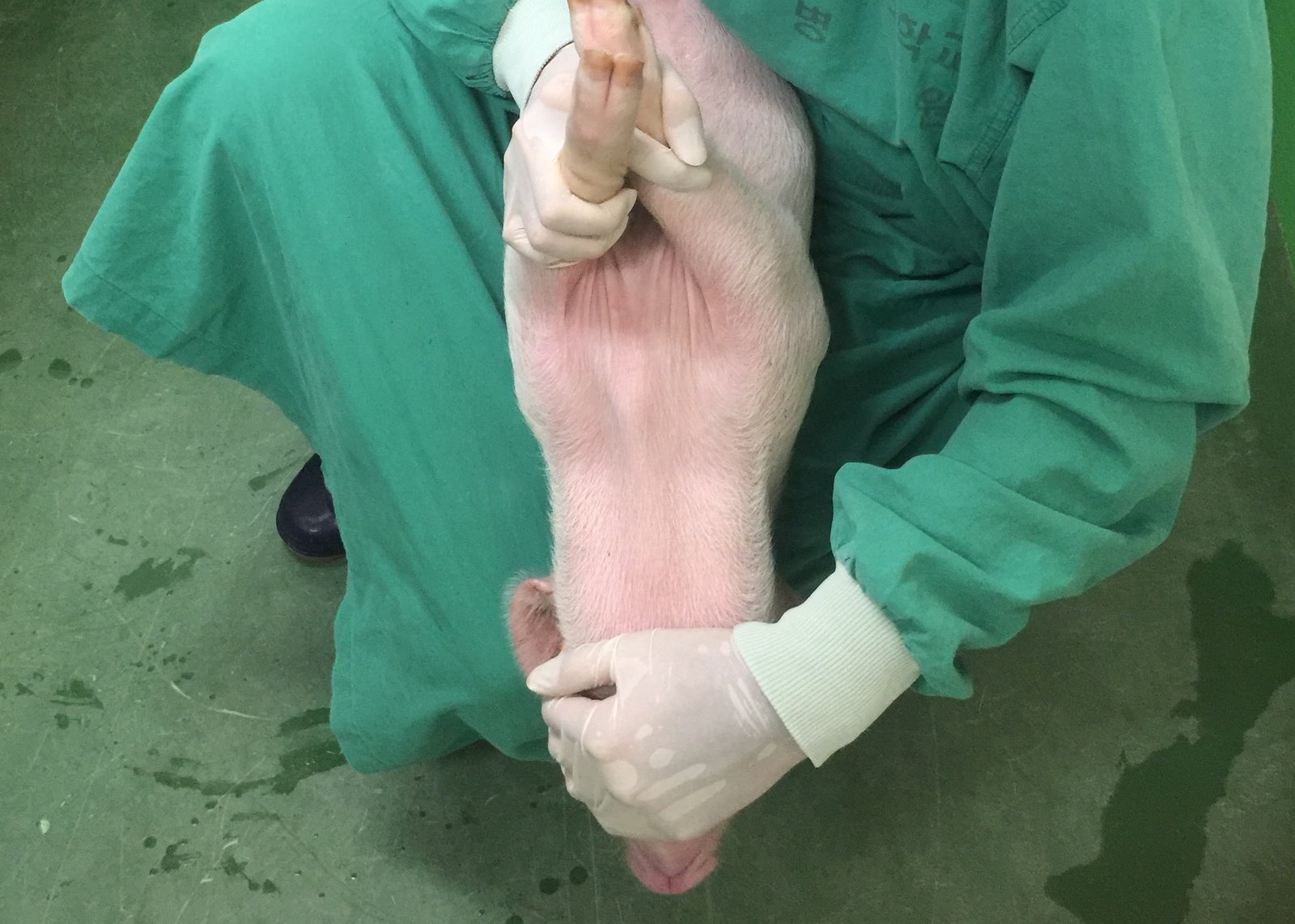
The handler prepares the pig in a seated position.
Restrain both front legs with one arm.
With the other arm, hold and straighten the head to restrain it.
2. Restraint Using a Rope (restraint of large pigs 15–30 kg or more)
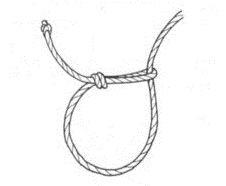
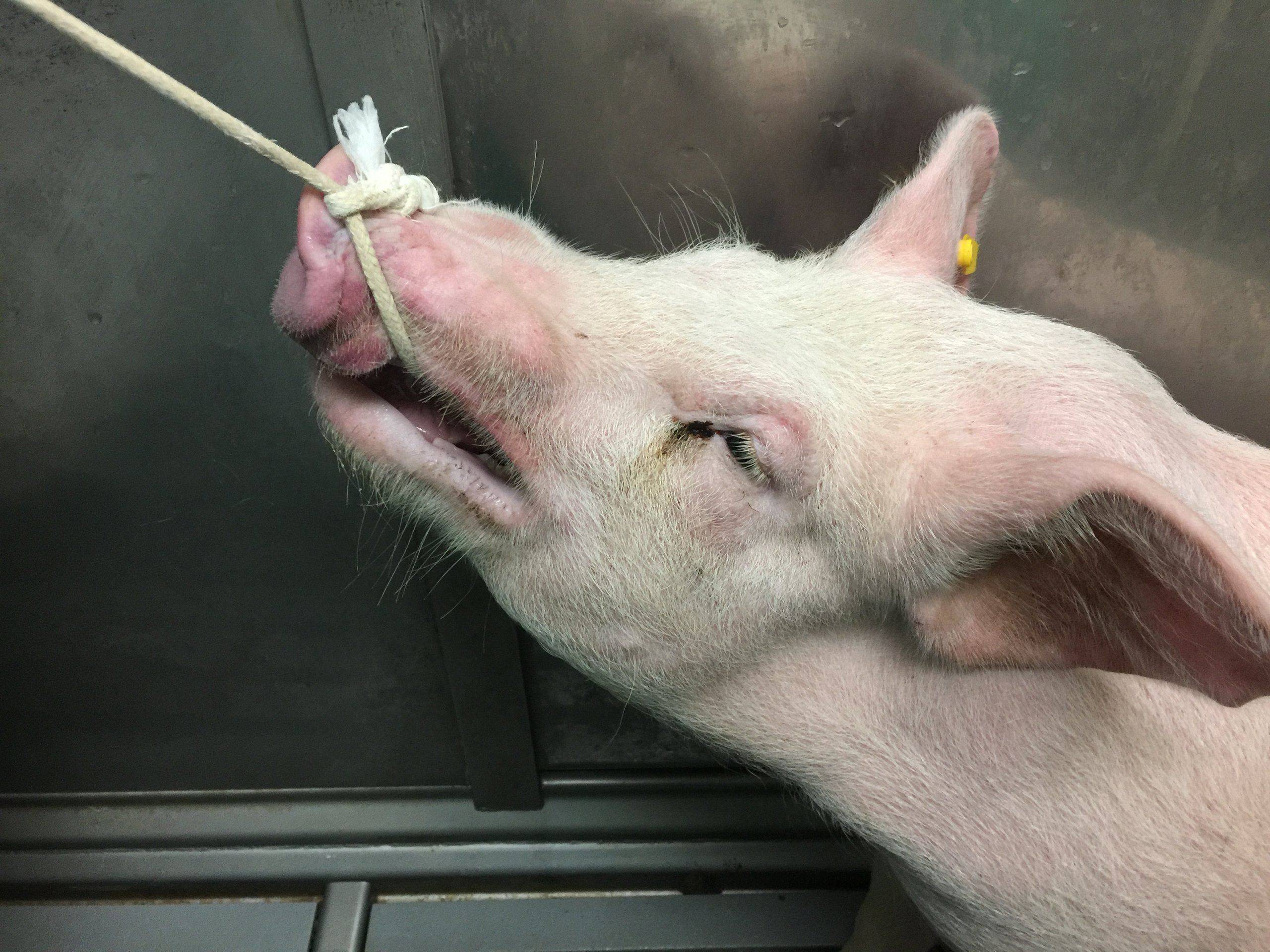
Tie a sturdy rope to prepare it as shown in the figure.
Place the rope loop on the pig's upper jaw and pull to secure it.
When the loop knot is placed on the pig's upper jaw and pulled, the pig pulls backward and stops moving.
At this point, tie the end of the rope to a fixed point such as a cage to secure it.
Pig Animal Experiment Manual: Blood Collection
1. Major Blood Collection Sites
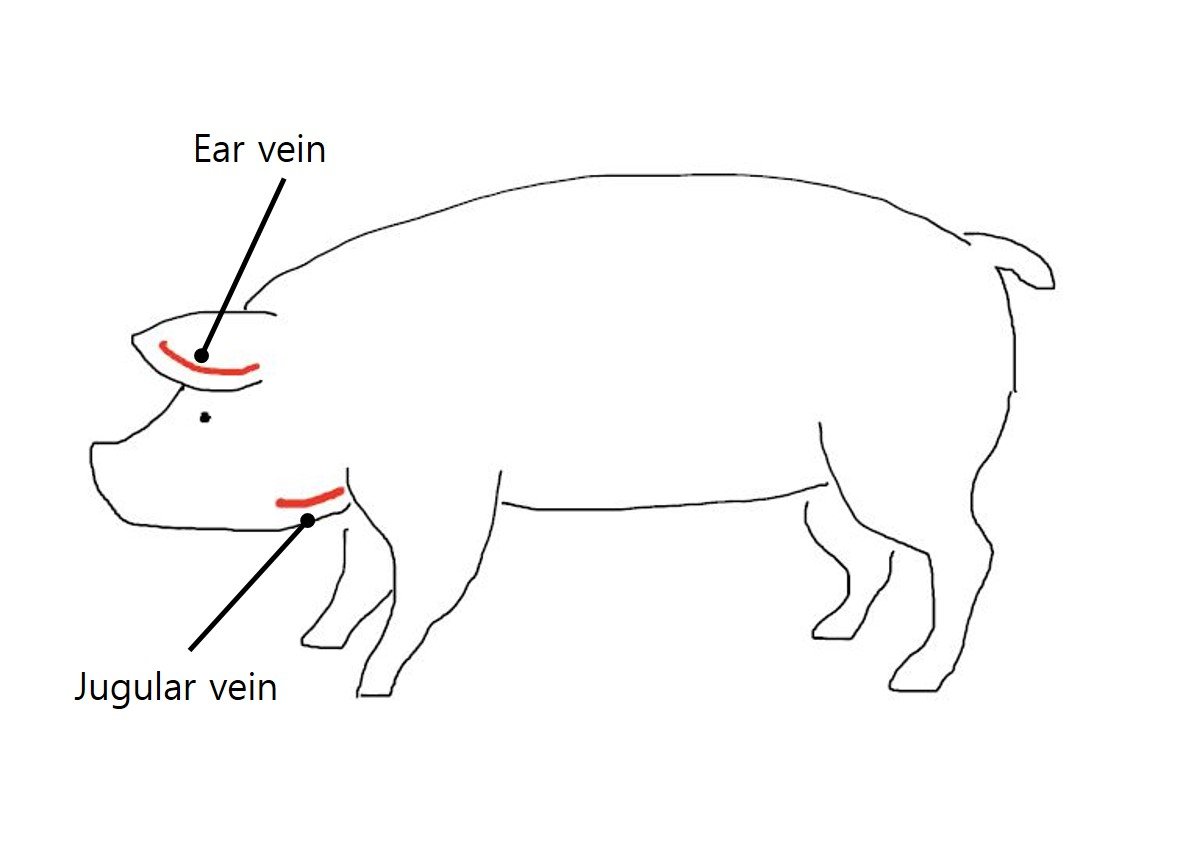
2. Blood Collection via the Jugular Vein
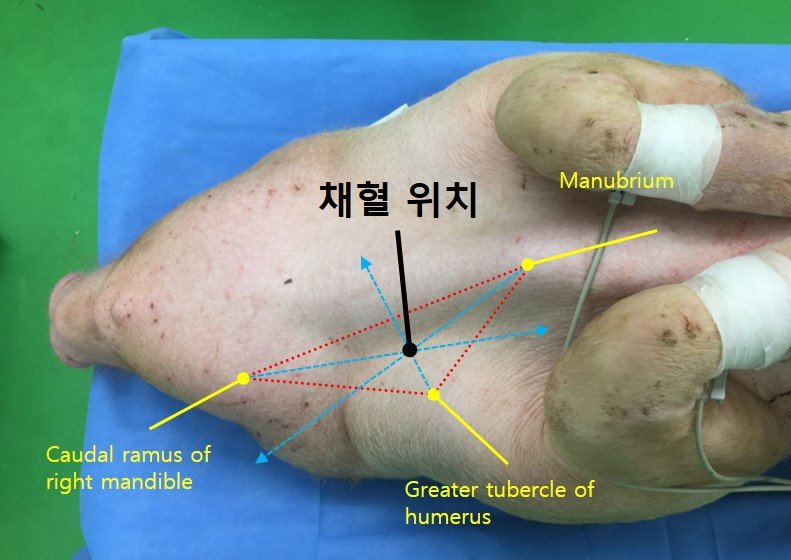
Restrain the pig using the "Supine Restraint" or "Restraint Using a Rope" method.
Referring to the figure above, the operator confirms the location of the vessel to be collected from. In general, the jugular vein is located at the exact center of the imaginary triangle connecting each point.
After determining the collection site, disinfect the area with a disinfectant such as alcohol.
Hold the syringe and insert the needle into the vessel at about 45–90 degrees depending on body weight. Inserting while slightly pulling the syringe produces a small "pop" sensation, and blood flows out.
If blood does not come out, repeat steps 3) and 4).
When collection is complete, press the puncture site with sterile gauze or an alcohol swab and maintain pressure until hemostasis is achieved.
3. Blood Collection via the Ear Vein
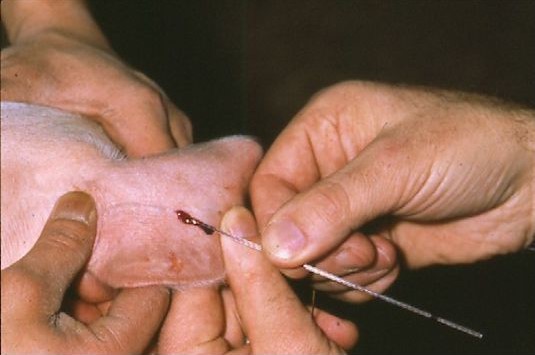
Blood collection from the ear vein is recommended to be attempted under anesthesia.
Under "Restraint Using a Rope" or anesthesia, an assistant presses the upper part of the ear to dilate the vessel.
Identify the ear vein on the outer side of the pig's ear. The ear vein is generally located on the lower part and varies greatly in shape, so find the position that runs as straight as possible.
Once the collection site is confirmed, disinfect the identified area with a disinfectant such as alcohol, then slightly pull the holding fingertip and insert the needle into the vessel at an angle of about 10–15 degrees. Inserting while slightly pulling the syringe to maintain negative pressure produces a "pop" sensation at the proper position, and collection proceeds.
When collection is complete, lightly press the puncture site with sterile gauze or an alcohol swab and remove the needle. The sterile gauze or alcohol swab must not be removed immediately; maintain pressure until hemostasis is achieved.
Pig Animal Experiment Manual: Injection
1. Intravenous Injection (IV)
Intravenous administration uses the same site as the "Blood Collection via the Ear Vein" described earlier; multiple administrations are also possible using an I.V. catheter and a heparin cap.
Intravenous administration is performed gently and slowly during injection.
For the administration site, considering re-administration, administer starting from the distal part of the vessel.
If the injection site swells during administration, stop immediately and achieve hemostasis with sterile gauze or an alcohol swab. To re-administer, attempt at a different vessel or above the previous administration site.
2. Intramuscular Injection (IM)
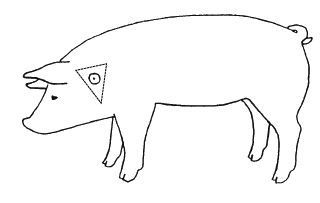
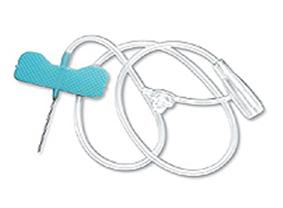
In addition to the syringe and the drug to be administered, prepare and connect a "scalp needle" or "mini volume extension tube."
Disinfect the neck area just behind the pig's ear with an alcohol swab.
Insert the prepared needle at a 90-degree right angle and pull back slightly to confirm that no blood appears.
If no blood is confirmed, inject the drug. During injection, the pig may pull out the needle with its hind legs, so observe carefully.
When injection is complete, remove the needle. Depending on the administered substance, if the injected substance is clumped, press with sterile gauze or an alcohol swab while gently rubbing so that the clumped substance is absorbed.
Pig Animal Experiment Manual: Anesthesia
1. Injection Anesthesia
- Advantage: Simple equipment
- Disadvantage: Slow onset of drug action and difficult control of anesthetic depth
2. Inhalation Anesthesia
- Advantage: Easy control of anesthetic depth (rapid recovery)
- Disadvantage: Requires expensive, sophisticated equipment; indoor contamination by inhalation anesthetics (threat to operator safety)
- Three essential requirements for inhalation anesthesia (sufficient alveolar ventilation is a prerequisite):
- Oxygen supply into the alveoli
- Removal of carbon dioxide from the lungs
- Supply of anesthetic within the alveolar membrane
3. Major Anesthetic Dosages
| Drug | Dose (mg/kg) | Route | Duration | Remarks |
|---|---|---|---|---|
| Injectables - Anticholinergics | ||||
| Atropine | 0.02 ~ 0.05 | IM, SC | 30–60 min | - |
| Glycopyrrolate | 0.01 | IM, SC | 60–120 min | - |
| Sedatives | ||||
| Acepromazine | 0.05 ~ 0.1 | IM, SC | 4 hours | Sedation |
| Xylazine (Rompun) | 2 | IV | 30–60 min | Sedation · analgesia · muscle relaxation |
| Anesthetics | ||||
| Pentobarbital Sodium | 20~30 | IV | 30–45 min | Recommended for non-survival experiments |
| Thiopental sodium | 5~20 | IV | 15 min | Anesthesia induction |
| Ketamine + Xylazine | 20 + 2 | IM, SC | 30–60 min | Simple surgical procedures |
| Ketamine + Midazolam | 10 + 0.5 | IM | - | Simple surgical procedures |
| Telazol (Zoletil) | 2~4 | IM | 20–30 min | Simple surgical procedures |
| Inhalation anesthetics | ||||
| Isoflurane | MAC : 1.3% | Inhalation | Until discontinued | - |
4. Antibiotic and Analgesic Dosages
| Category | Drug | Dose / Route | Duration | Product name / Concentration | Remarks |
|---|---|---|---|---|---|
| Anticholinergics | Atropine | 0.05 mg/kg, IM, SC, IV | 30 min | Atropine sulfate (0.5 mg/ml), 0.1 ml/kg IM, SC | Cardiac vagal block, suppression of excessive salivation |
| Glycopyrrolate | 0.01 mg/kg, SC, IM | 2~4 hours | Glycopyrrolate Inj. 0.2 mg (0.2 mg/1 ml), 0.1 ml/kg | Longer duration of action than atropine; increased heart rate appears only with IV administration | |
| Anesthetics | Ketamine + Xylazine | 20 mg/kg + 2 mg/kg, IM, SC | 35~90 min | Ketara (50 mg/ml) + Rompun (23.32 mg/ml), 0.4 ml/kg + 0.1 ml/kg | - |
| (Tiletamine + Zolazepam) + Xylazine | 5 mg/kg + 2 mg/kg, IM | 40 min | Zoletil 50 (50 mg/ml) + Rompun (23.32 mg/ml), 0.1 ml/kg + 0.1 ml/kg | - | |
| Isoflurane | 1~3% induction, 1.5~3% maintenance | - | - | - | |
| Analgesics | Aspirin | 10~20 mg/kg, PO | 4 hours | Aspirin 100 mg/Tab | Nonsteroidal anti-inflammatory |
| Ketorolac | 1 mg, IM, IV | 12 hours | Ketorolac Tromethamine (30 mg/ml) | Nonsteroidal anti-inflammatory | |
| Ketoprofen | 3 mg/kg, IM, SC | 24 hours | Ketoprofen (100 mg/2 ml) | Nonsteroidal anti-inflammatory | |
| Meloxicam | 0.5 mg/kg, IV, SC, PO | 24 hours | Metacam (5 mg/ml) | Nonsteroidal anti-inflammatory | |
| Antibiotics | Gentamicin | 2 mg/kg, PO | 24 hours | Gentamicin sulfate (80 mg/2 ml) | - |
| Cefazolin | 20~25 mg/kg, IV | - | Cefazolin Sodium (1000 mg/8 ml) | - | |
| Cephalexin | 20~25 mg/kg, PO | 12 hours | Methylocephalexin lysinate (500 mg/cap) | - | |
| Muscle Relaxants | Vecuronium | 0.1 mg/kg, IV | 30 min | Vecuronium Bromide (10 mg/10 ml) | - |
5. Physiological Information
| Item | Awake |
|---|---|
| Body temperature | 38.5 ~ 40 ℃ |
| Heart rate (beats/min) | 60 ~ 80 |
| Respiration rate (breaths/min) | 8 ~ 18 |
Dog Animal Experiment Manual: Handling, Restraint
1. Physical Restraint in the Standing Position
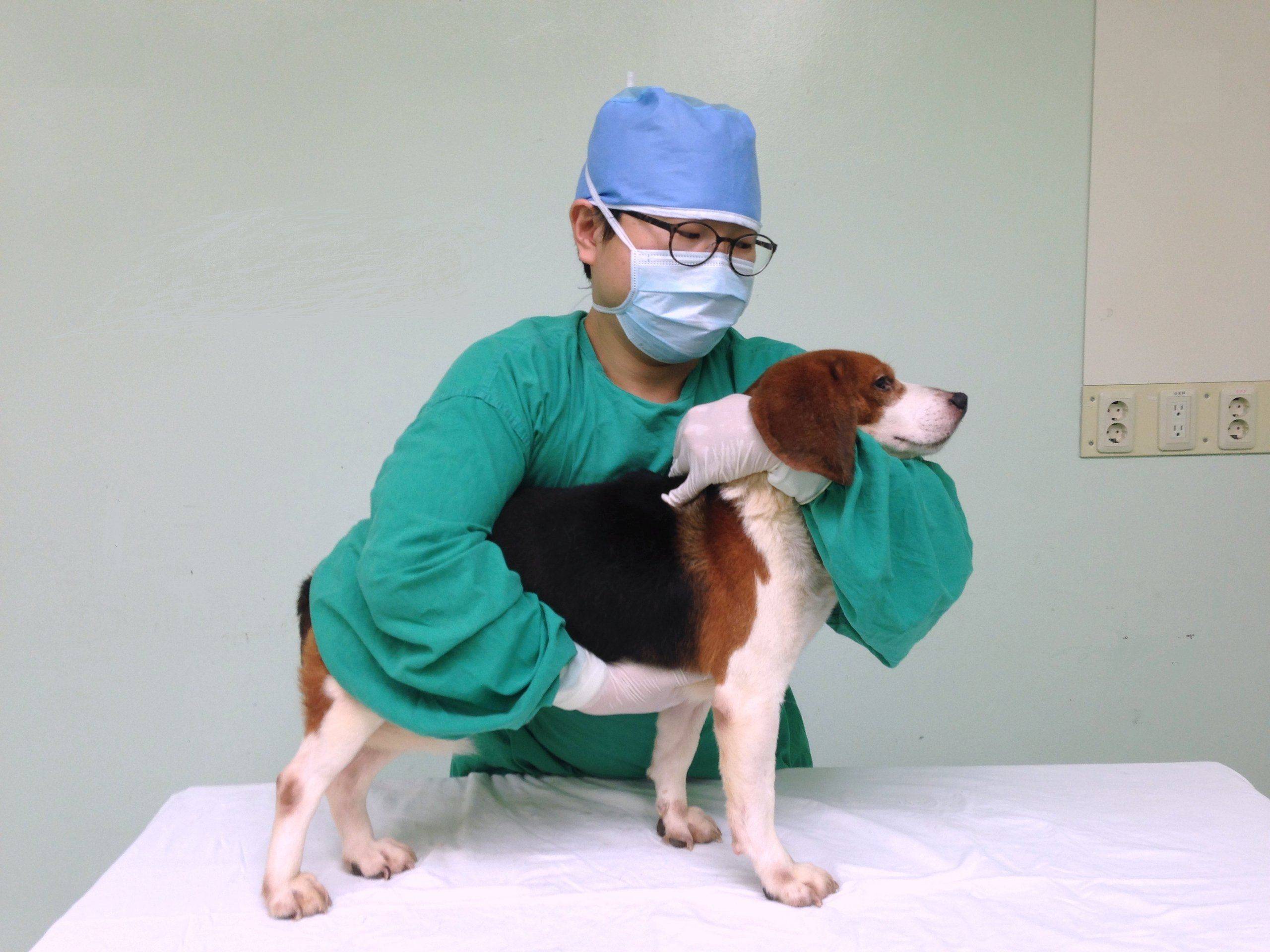
Place one arm under the dog's neck and securely hold the dog's head with your hand. The dog's head must always be fixed.
Place the other arm under the dog's abdomen or chest.
Hold the dog close against the chest of the person restraining it.
2. Physical Restraint in the Sitting Position
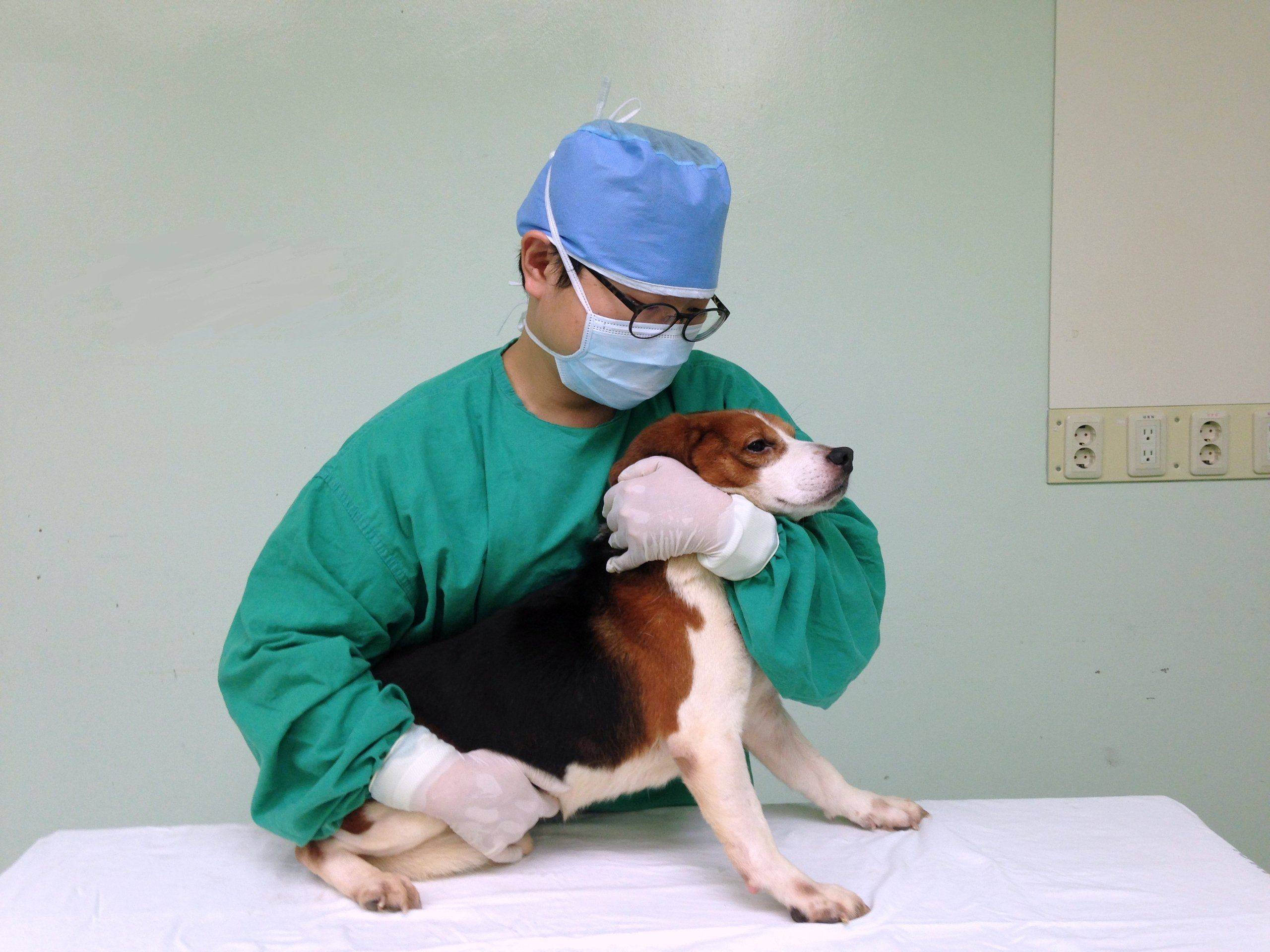
Place one arm under the dog's neck and securely hold the dog's head with your arm and hand.
Place the other arm on the dog's hind legs and hips.
Hold the dog close against the chest of the person restraining it.
3. Physical Restraint in Lateral Recumbency
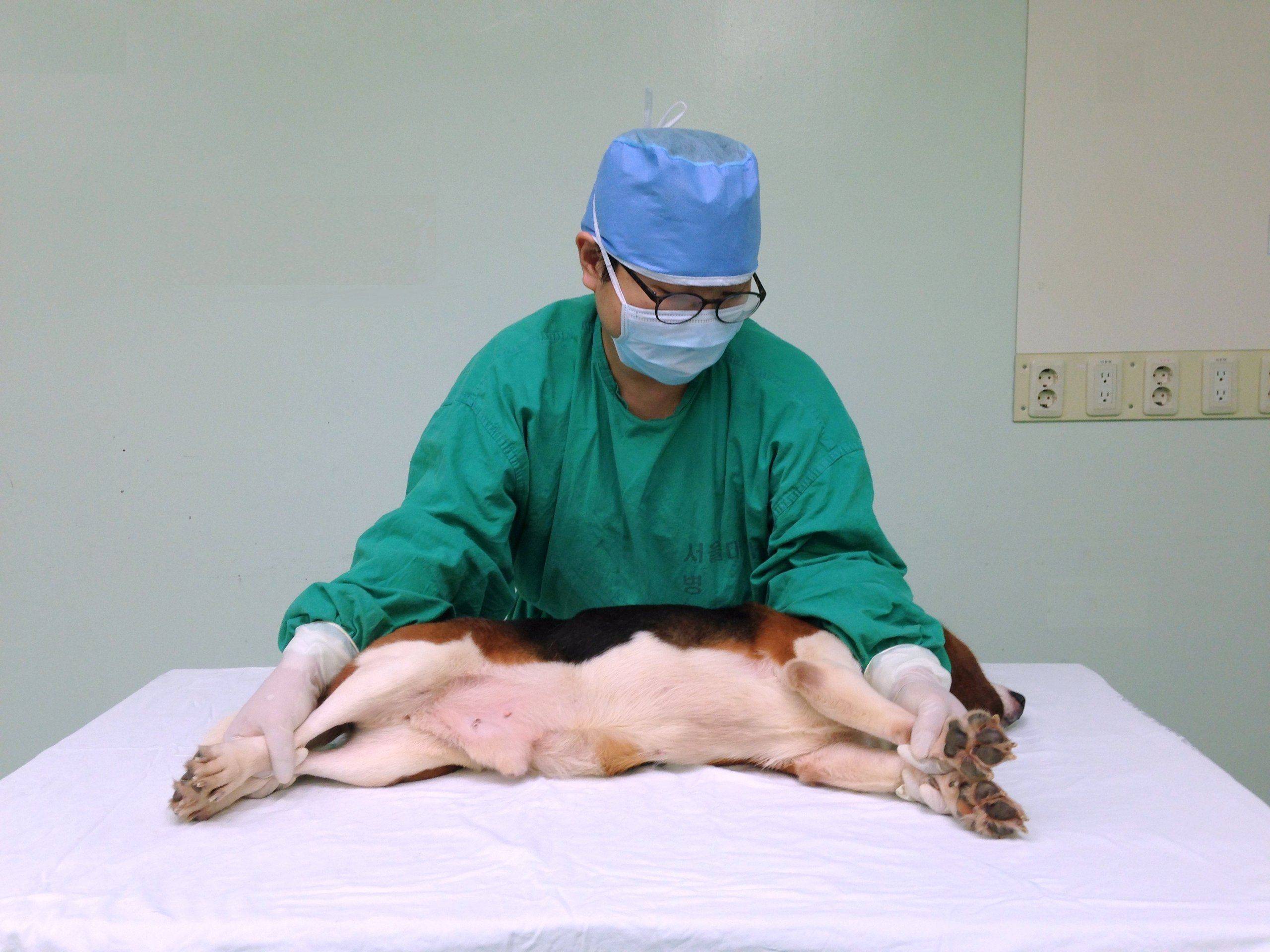
With the dog in a standing position, reach across the dog's back and hold both front legs with one hand and both hind legs with the other hand.
Slowly lift the dog's legs while letting the dog's weight rest against the handler's chest so that the dog's body gradually slides down from the handler's chest into lateral recumbency.
As soon as lateral recumbency is achieved on the table, most dogs may resist, so lightly press the dog's cranial cervical region with the elbow of the arm holding the front legs to restrain head movement, and press the dog's rump or lumbar region with the elbow of the arm holding the hind legs to restrain it.
Throughout all procedures, lightly press the neck with the elbow of the arm holding the dog's front legs to keep the head from moving, and place the elbow of the arm holding the hind legs lightly on the thigh, rump, or lumbar region as needed.
Insert the index finger of each hand between the two legs to hold them. If possible, hold the proximal part of the dog's ankle.
4. Restraint for Cephalic Vein Blood Collection (Administration)
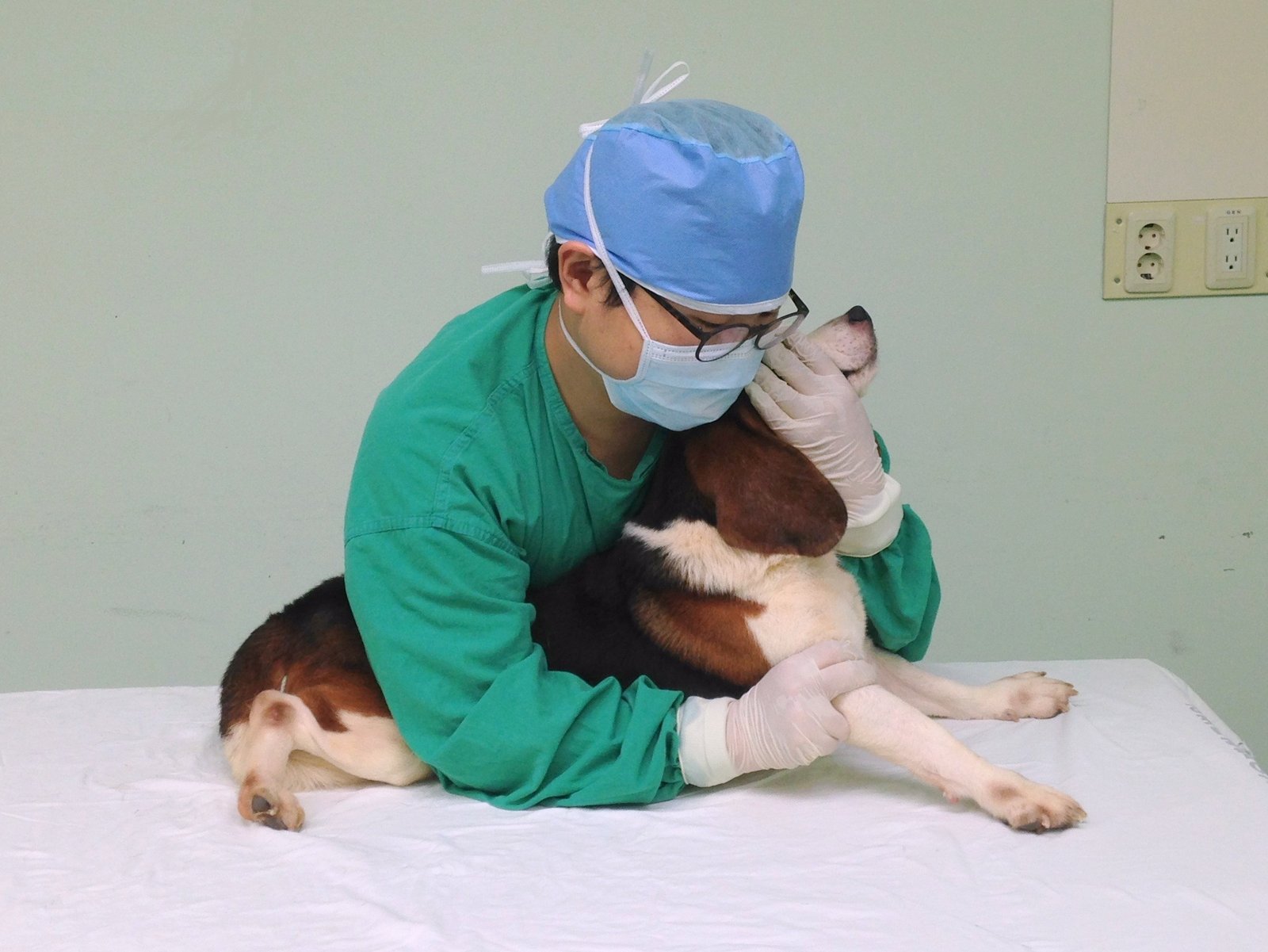
Restrain the dog on the restraint table in lateral recumbency or sternal recumbency.
Restrain the head with one hand and compress the waist area with the other arm so the animal cannot move; extend one front leg and pull the skin with the index finger while lightly pressing the vessel, so that the cephalic vein of the front leg becomes engorged and the vein is fixed under the skin.
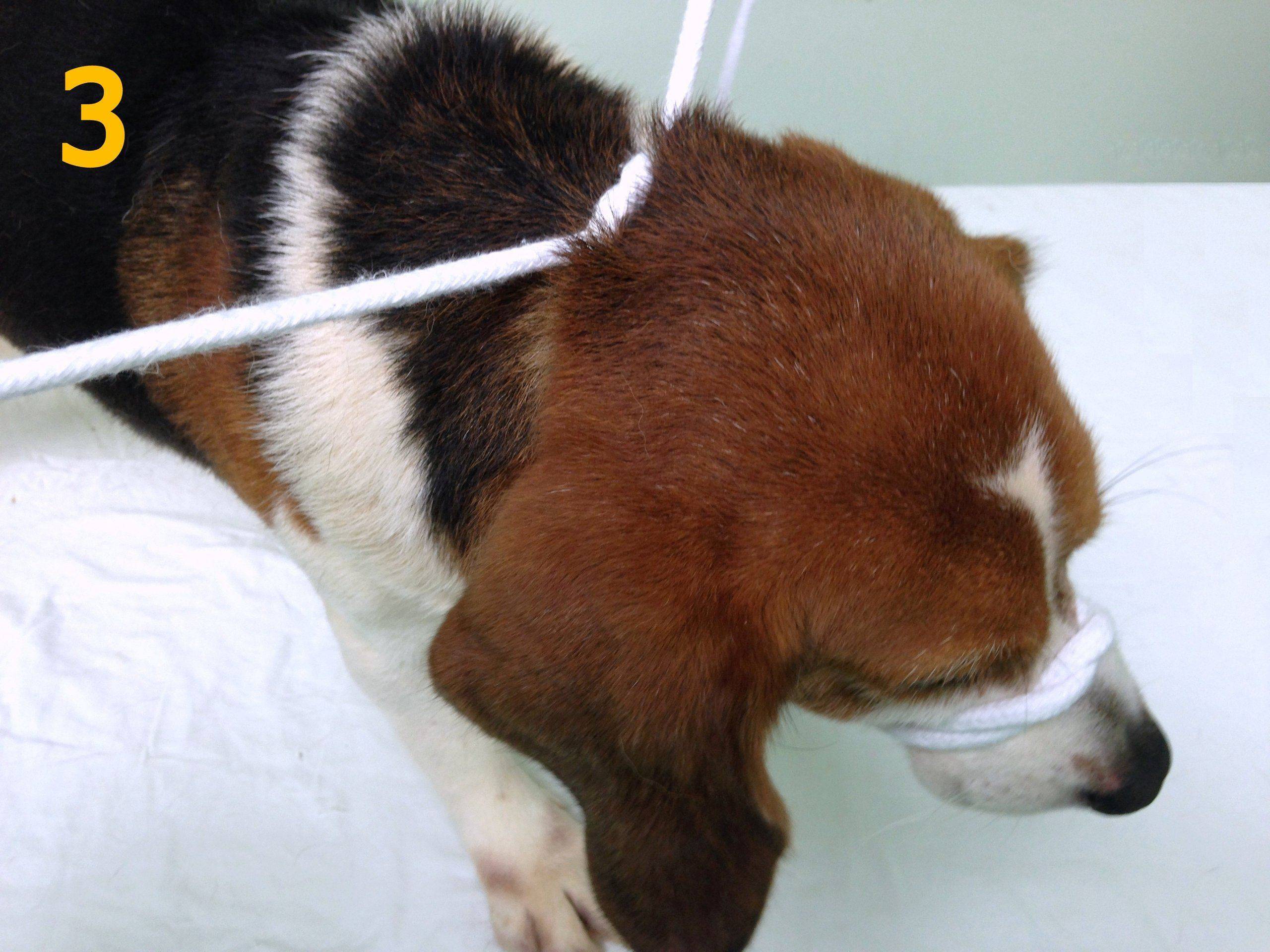
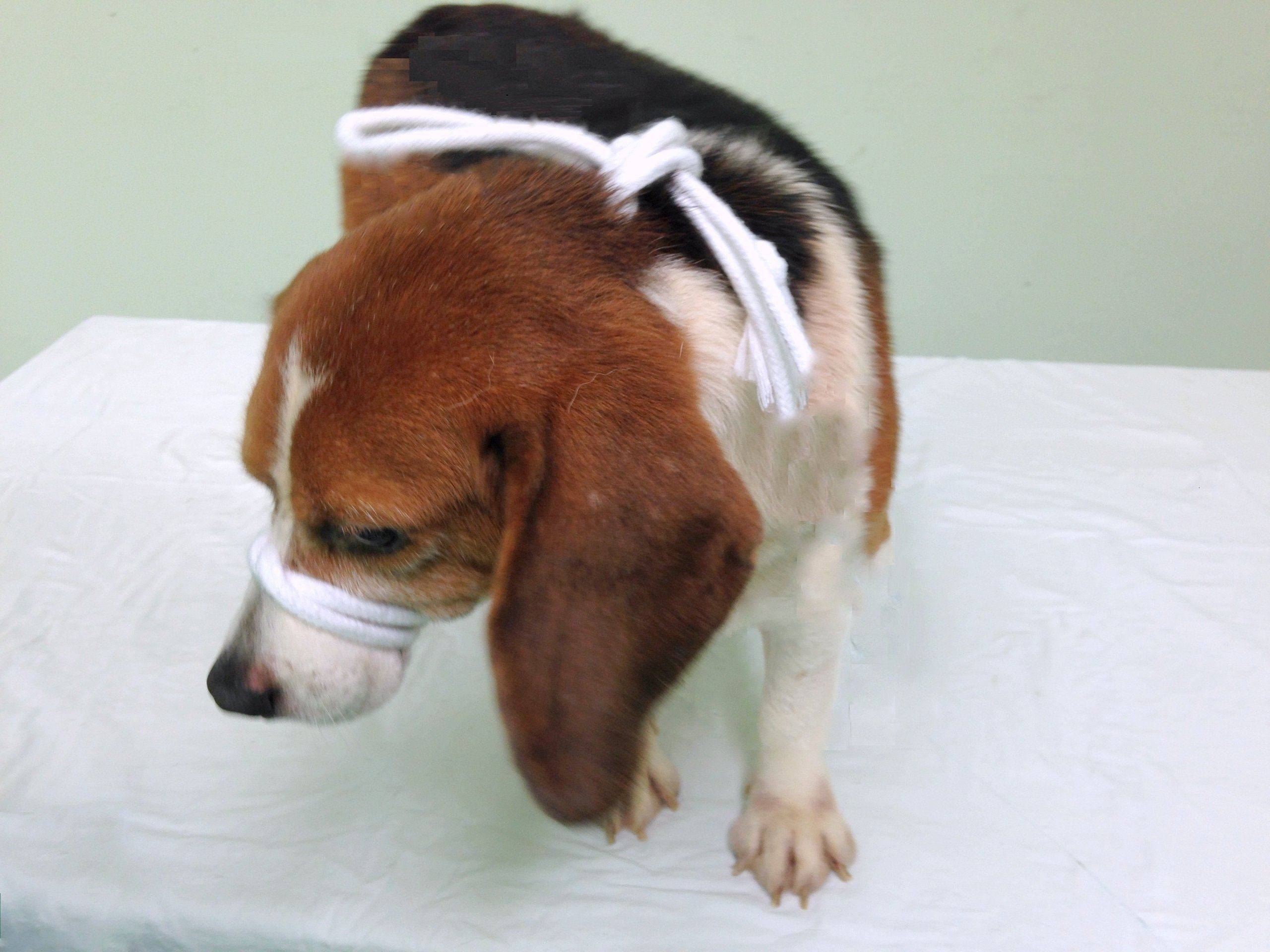
※ How to Use a Muzzle on an Aggressive Dog
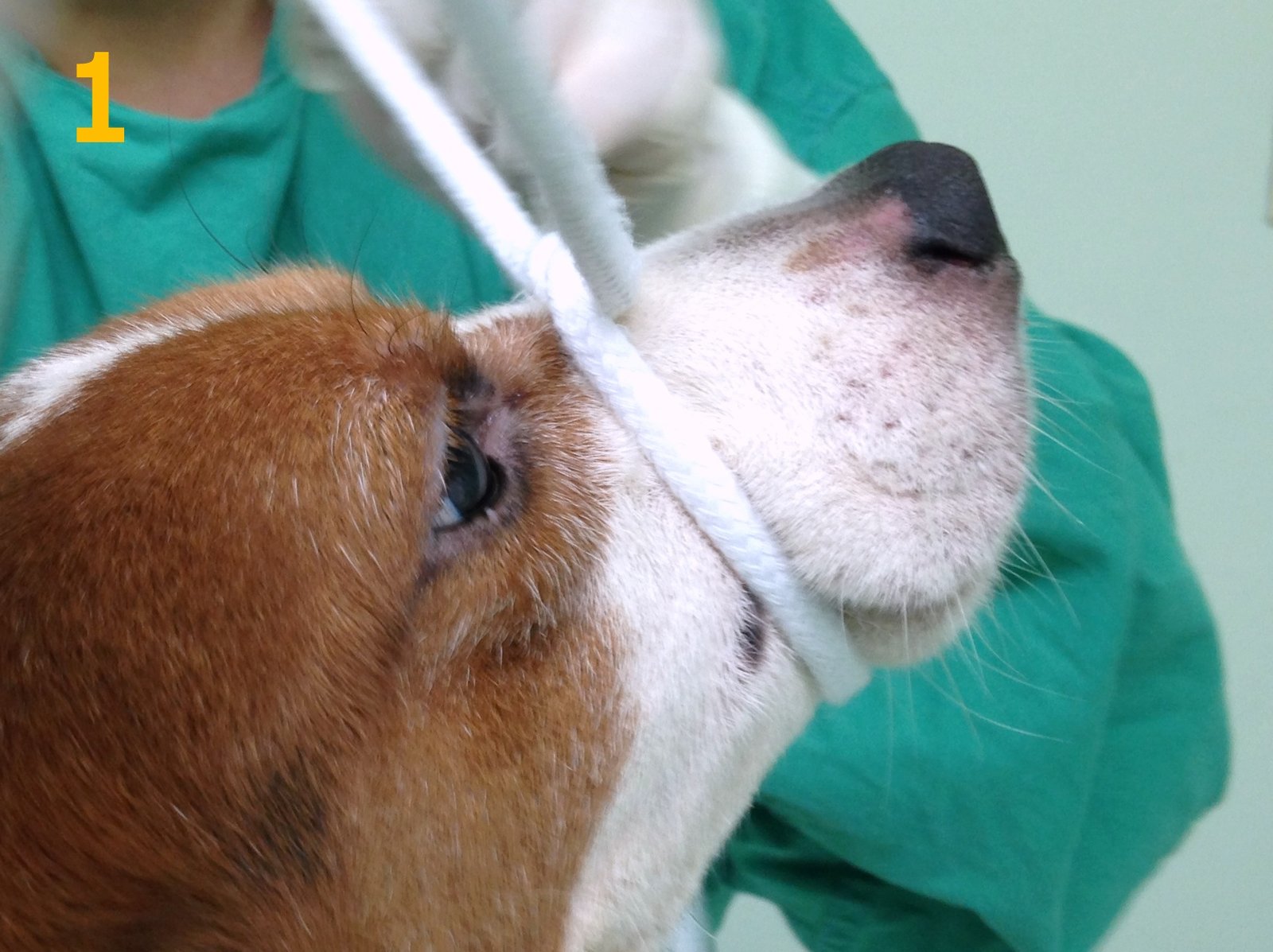
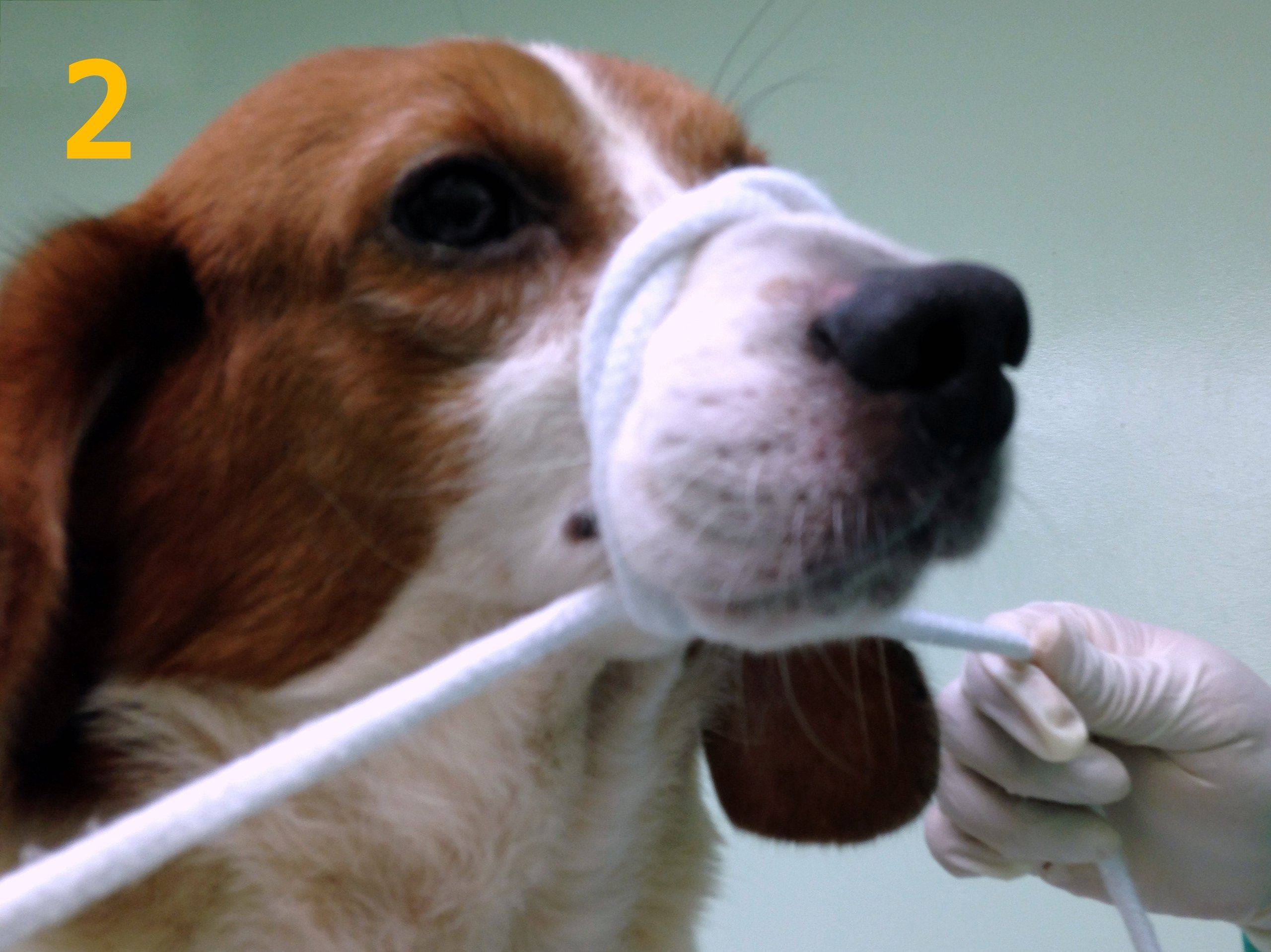
Tie the upper and lower jaws together with a rope. At this point, make a knot on the upper jaw.
Tie the remaining rope under the lower jaw.
Bring the remaining knot from the lower jaw around the back of the neck and tie it so it does not come loose.
Dog Animal Experiment Manual: Blood Collection & Injection
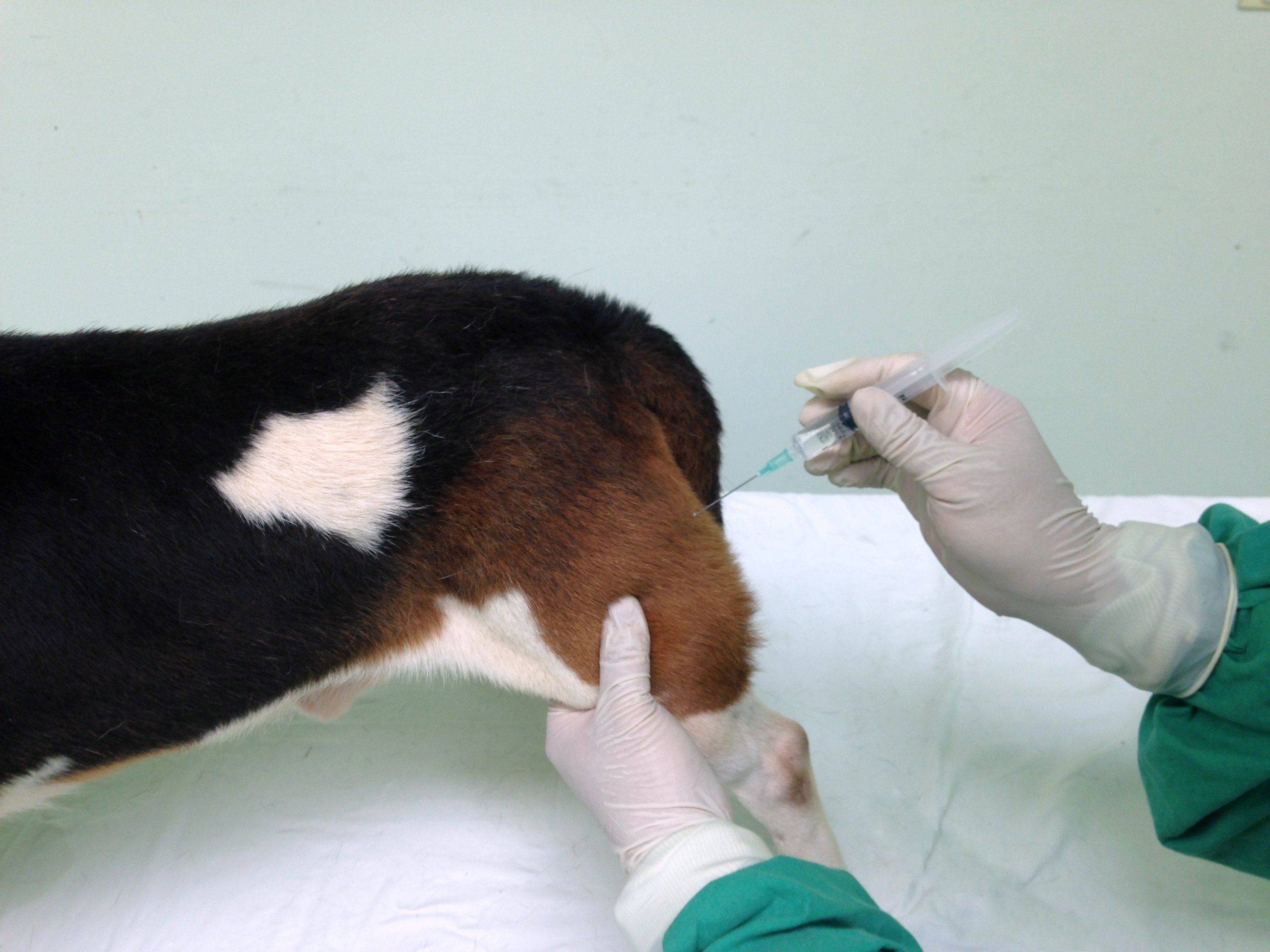
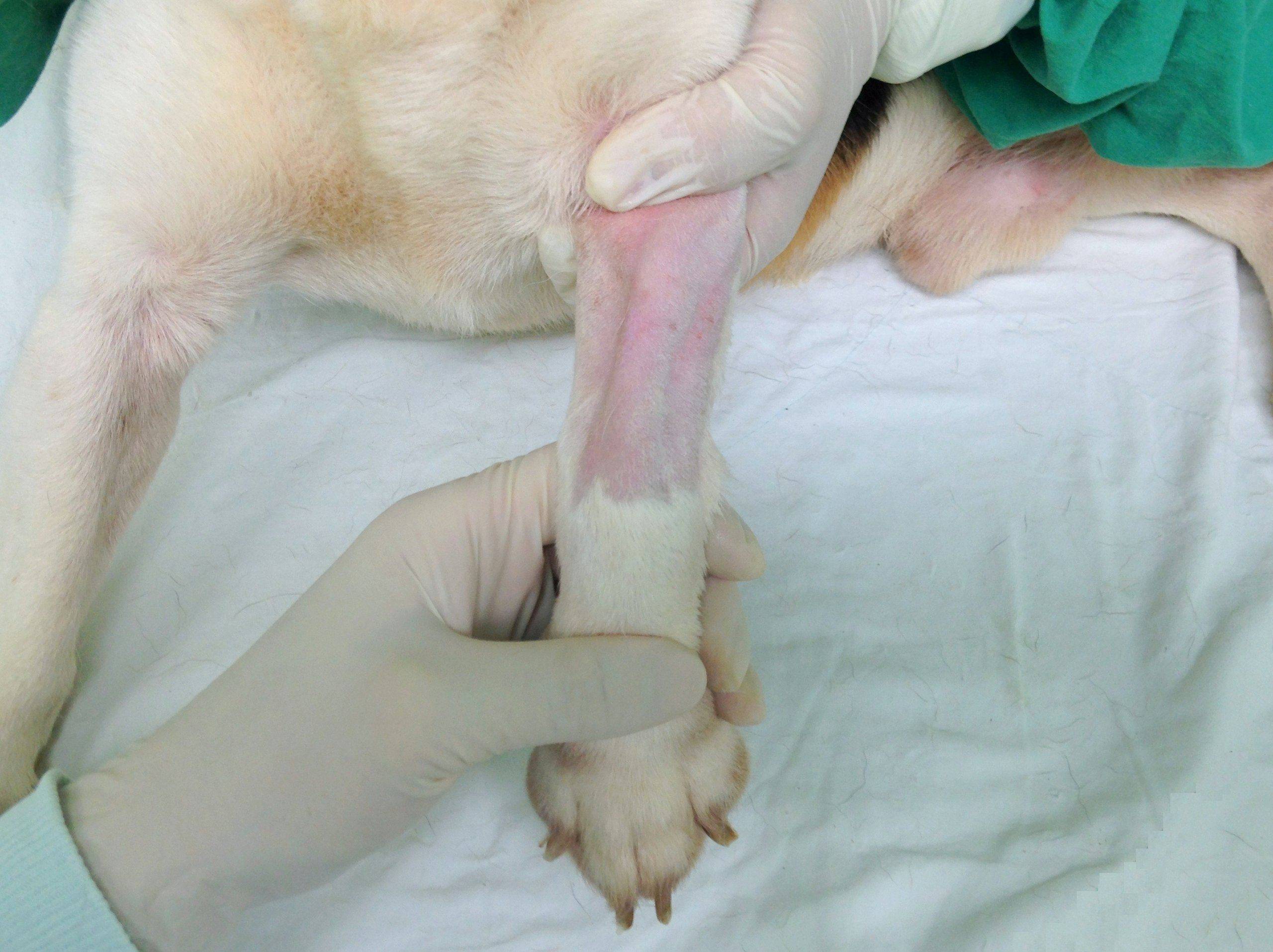
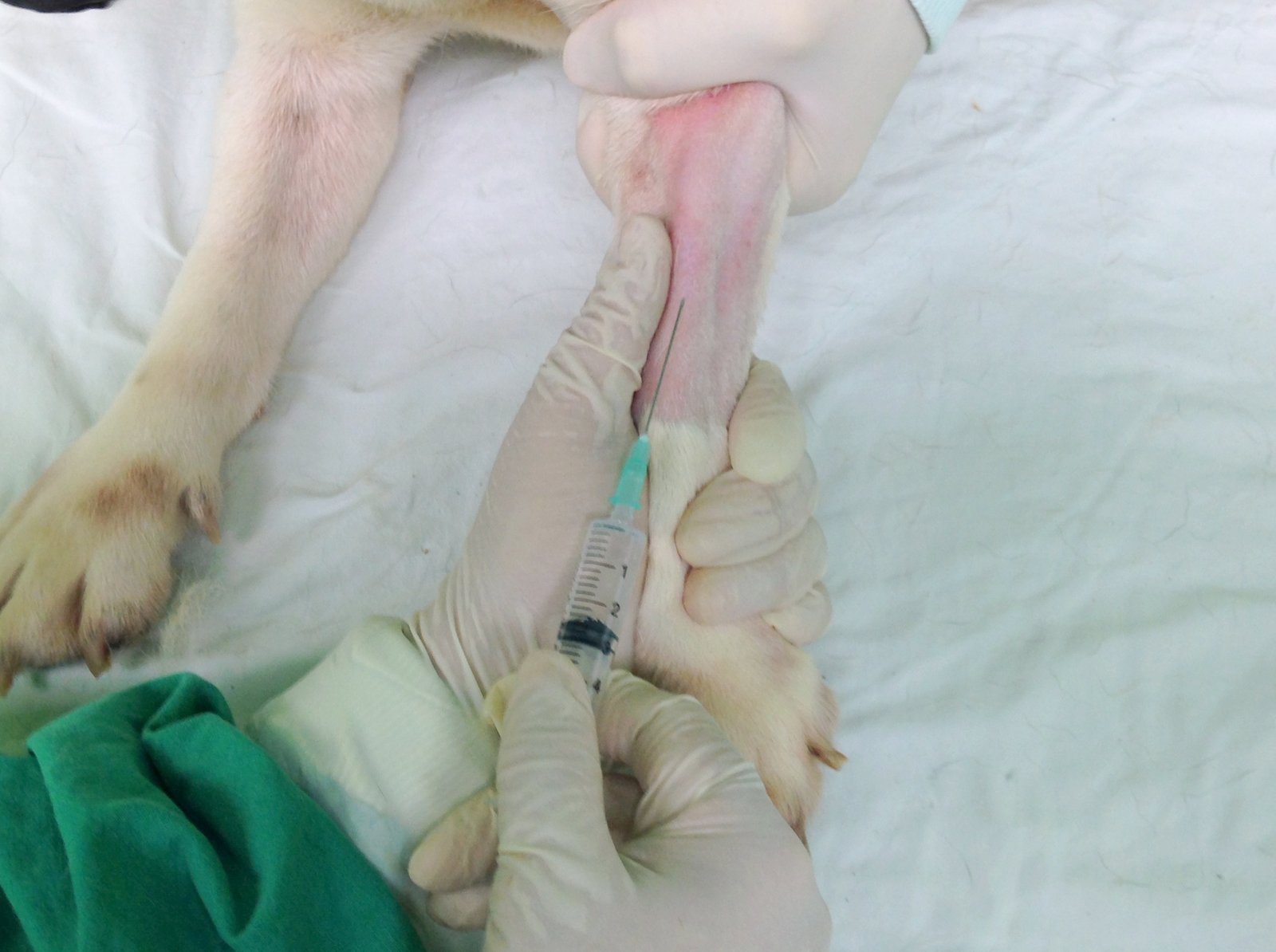
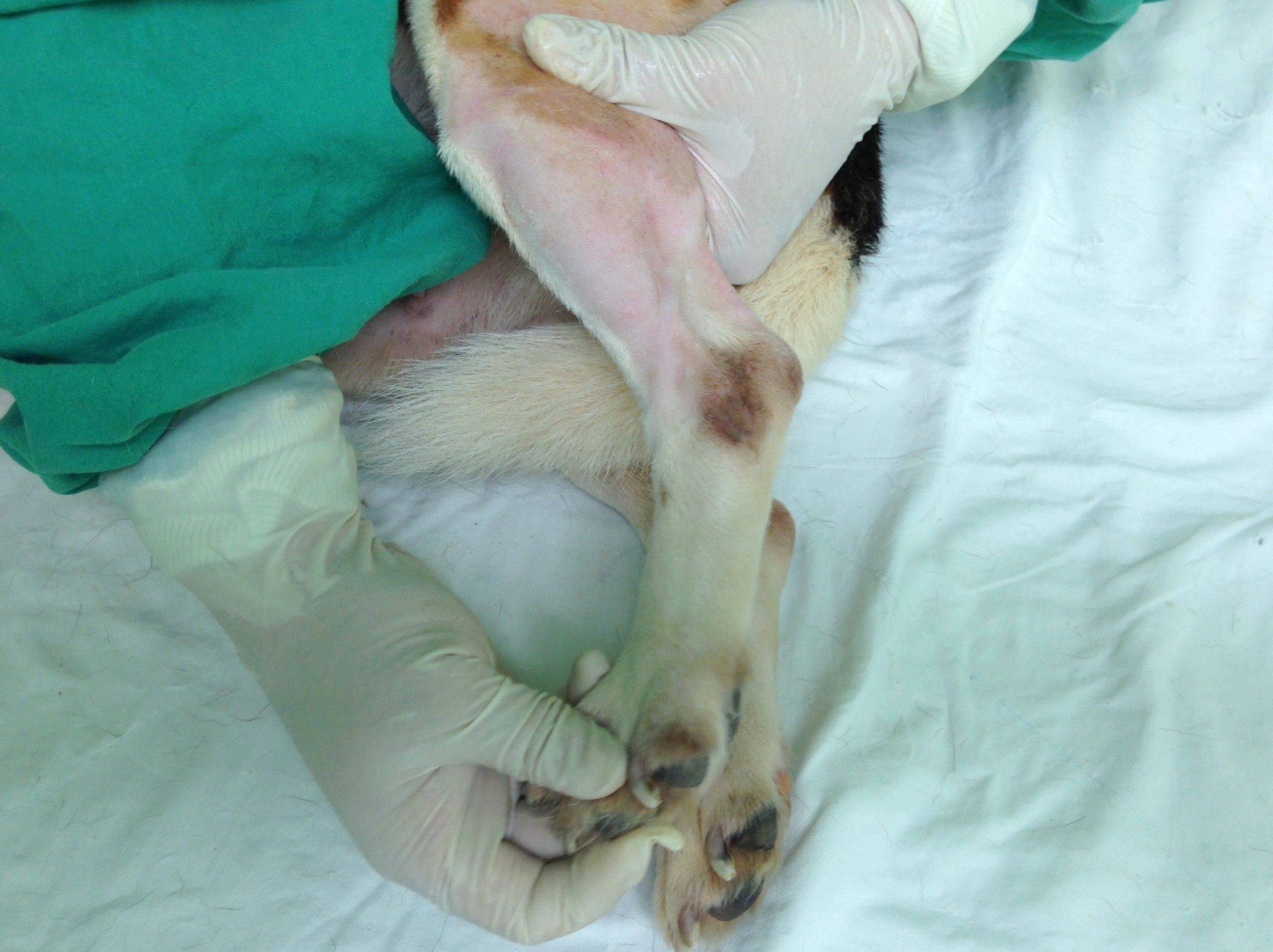
1. Drug Administration Sites
1) Intramuscular injection : Thigh
2) Intravenous injection : Cephalic vein, Saphenous vein
Cephalic vein
Saphenous vein
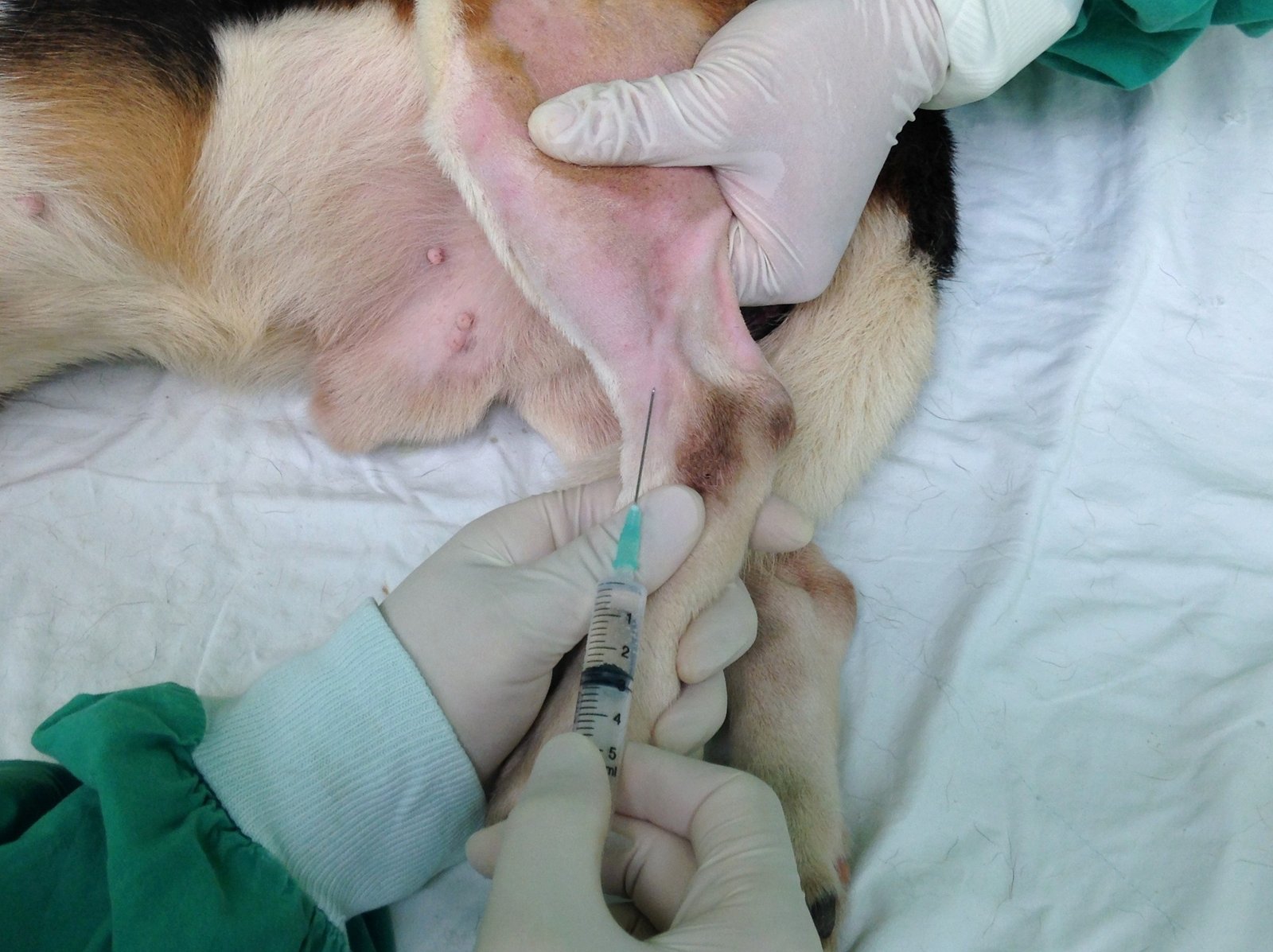
3) Subcutaneous injection : Shoulders or neck
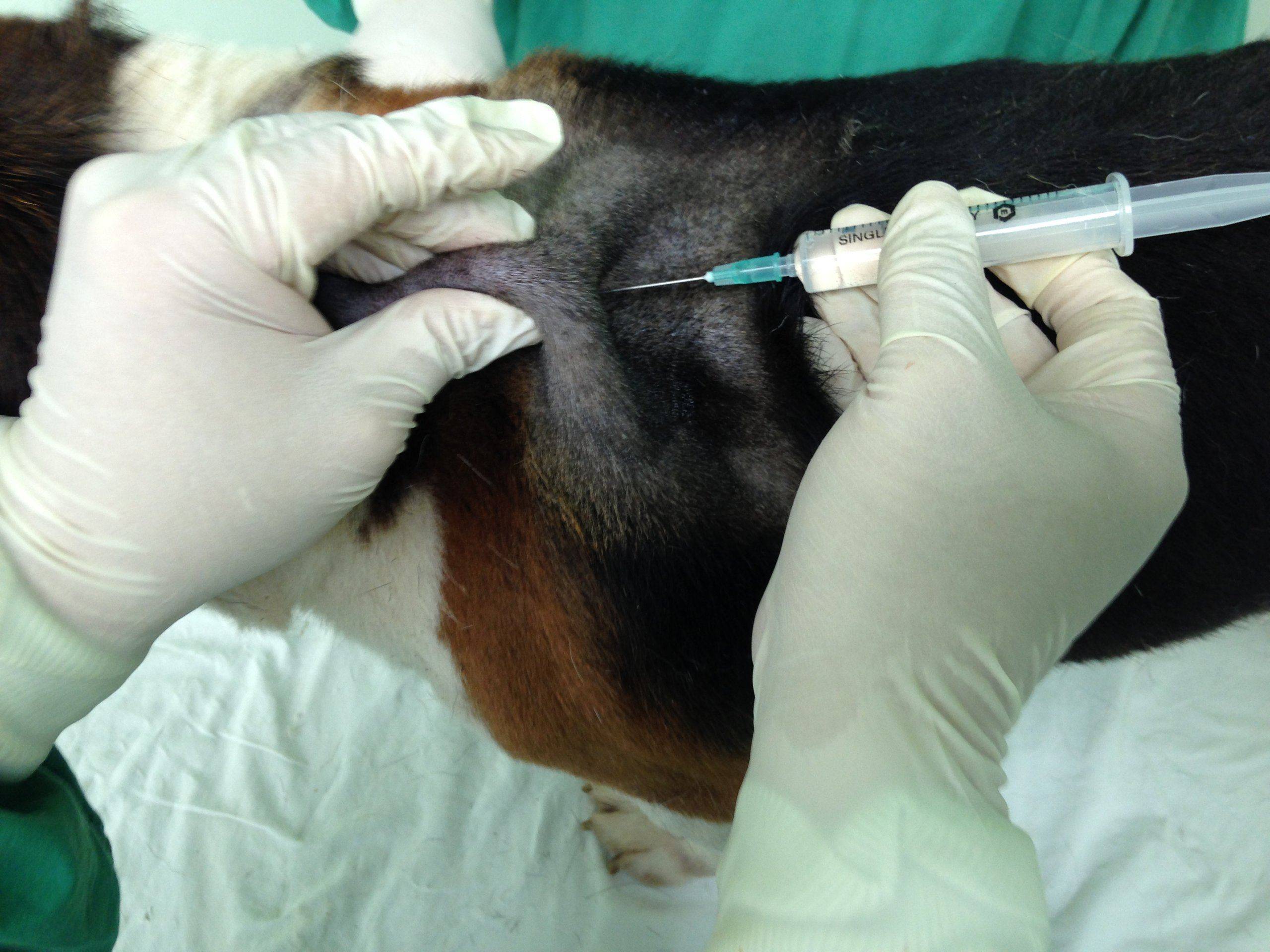
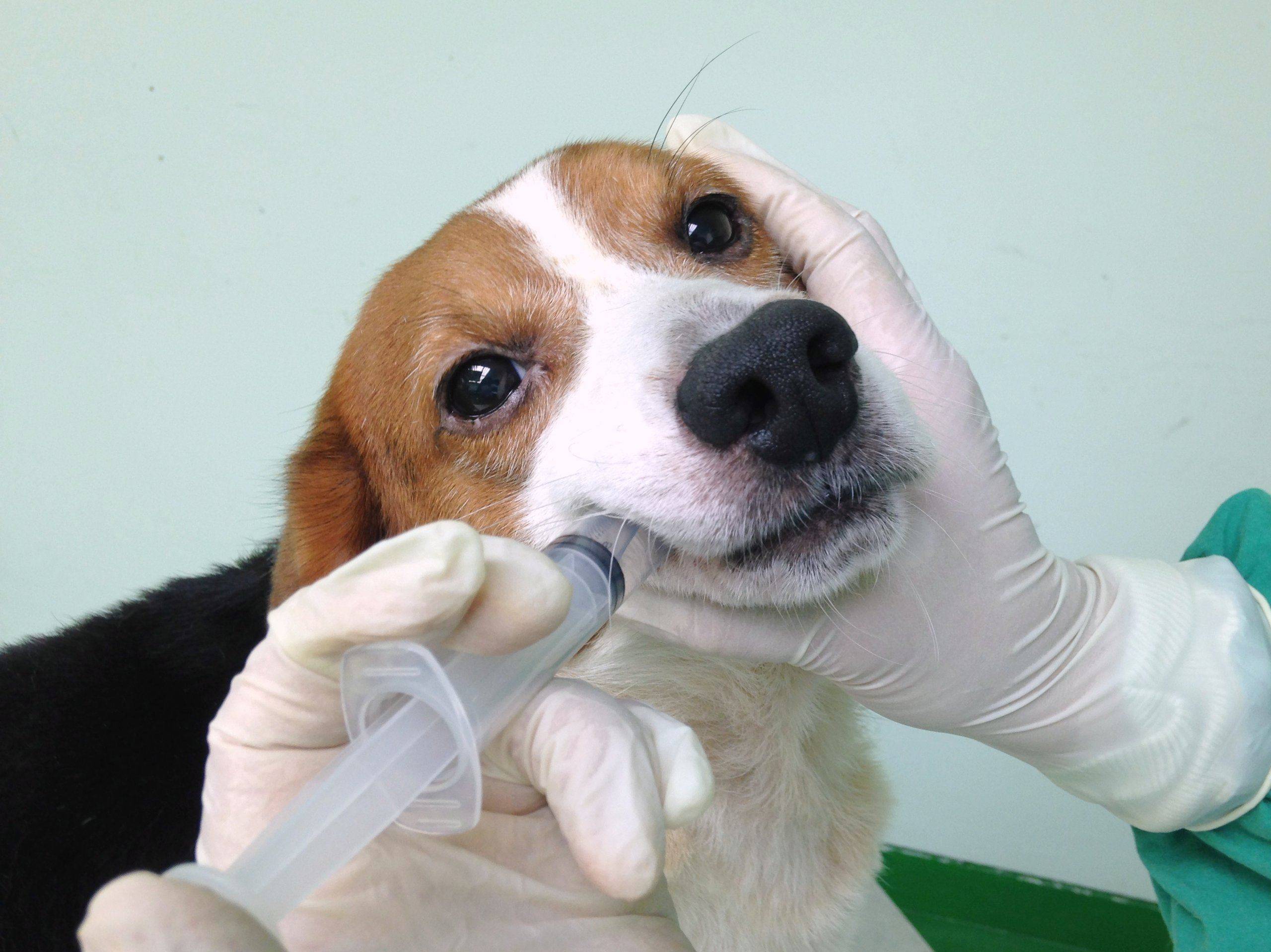
2. Administration Methods by Drug Form (pills & liquids)
1) Administration of a capsule using forceps
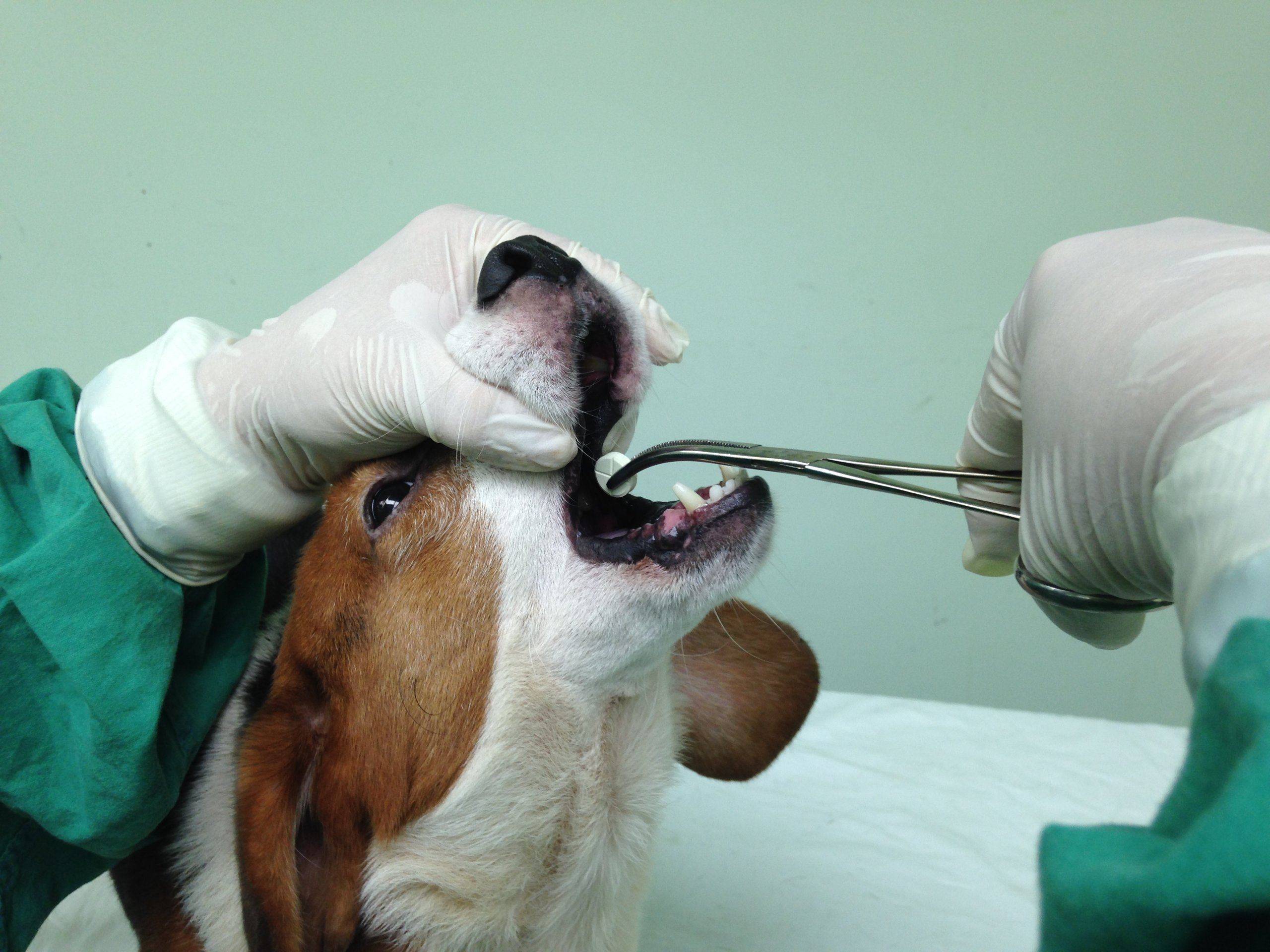
2) Administration of a capsule at the base of the tongue
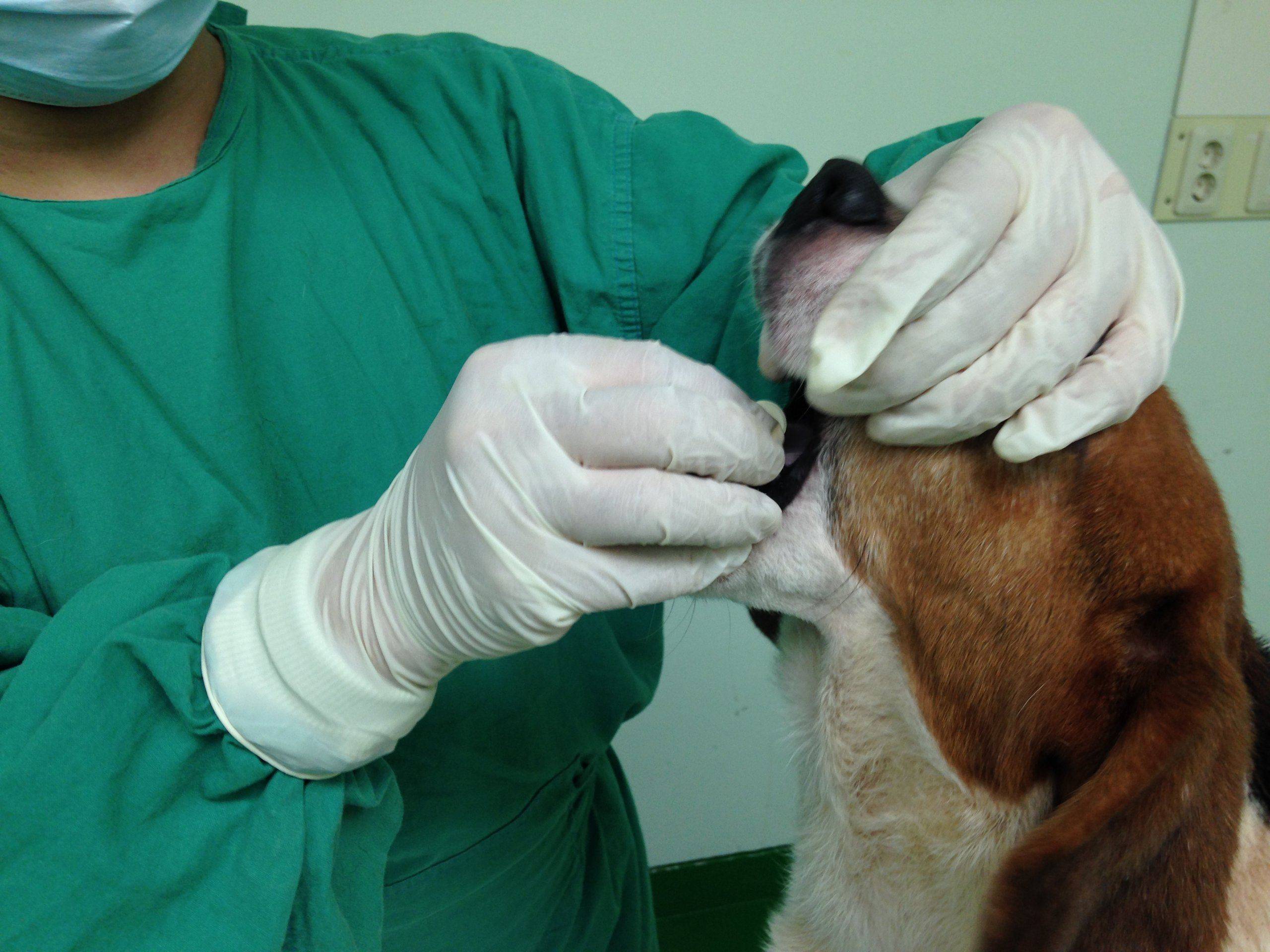
3) Administration of a liquid drug into the cheek pouch
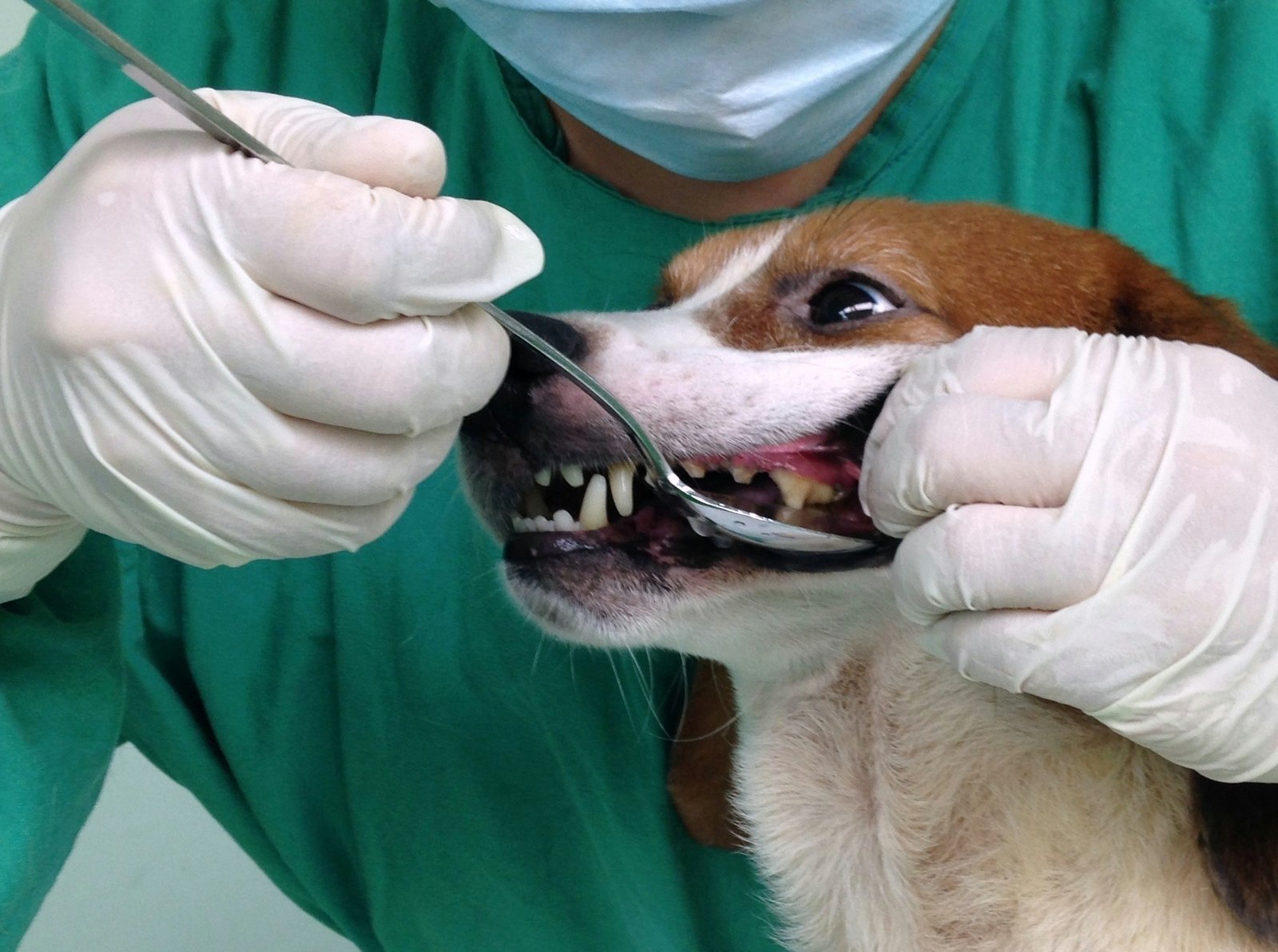
4) Oral administration of a liquid drug
Dog Animal Experiment Manual: Intubation
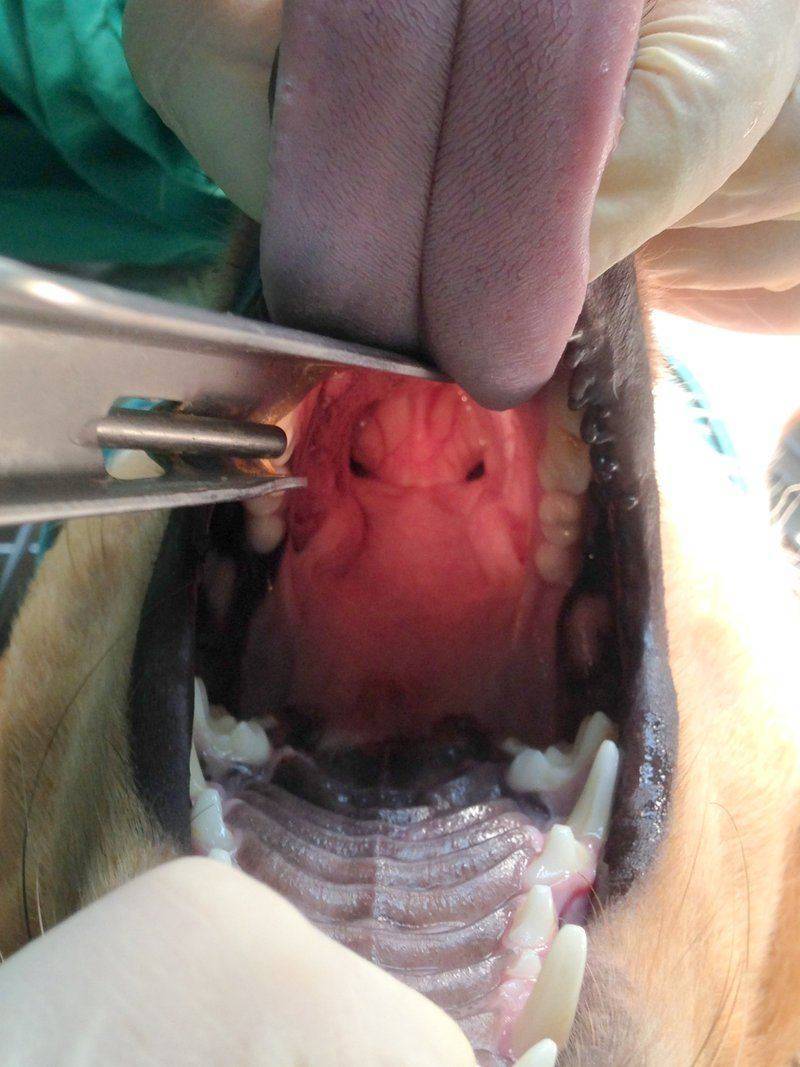
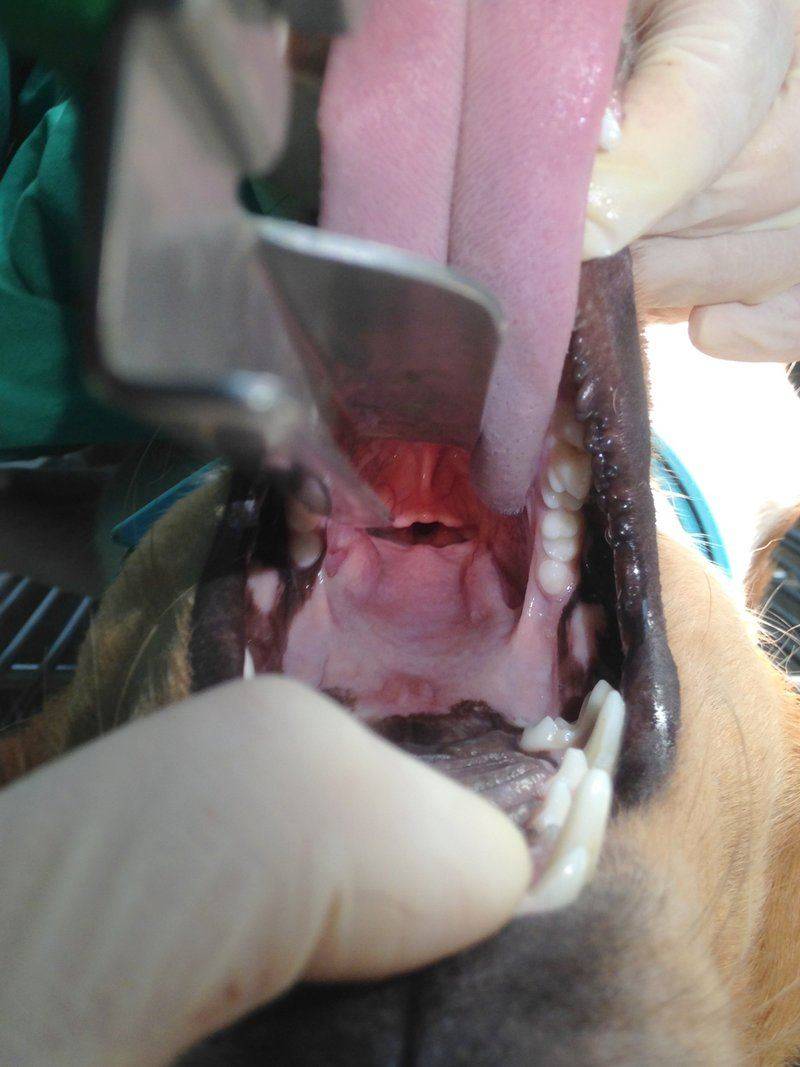
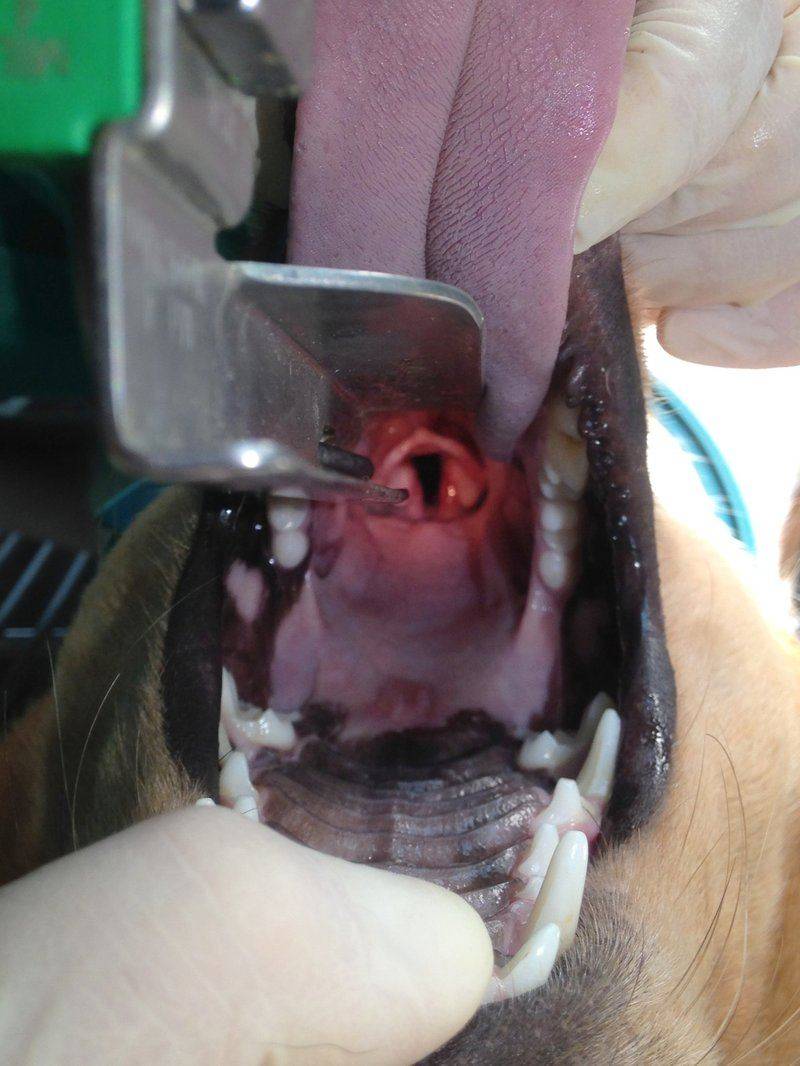
Before intubation, check the length to insert the endotracheal tube in advance. (Up to just before the sternum)
In a dog lying down, gently pull the tongue forward and lift it upward.
Press between the tongue and the epiglottis with the tip of the laryngoscope so that the larynx becomes visible.
Insert the endotracheal tube into the trachea between the vocal folds to the previously measured length and fix it to the upper jaw.
Dog Animal Experiment Manual: Anesthesia & Euthanasia
1. Injection Anesthesia
- Advantage: Simple equipment
- Disadvantage: Slow onset of drug action and difficult control of anesthetic depth
2. Inhalation Anesthesia
- Advantage: Easy control of anesthetic depth (rapid recovery)
- Disadvantage: Requires expensive, sophisticated equipment; indoor contamination by inhalation anesthetics (threat to operator safety)
- Three essential requirements for inhalation anesthesia (sufficient alveolar ventilation is a prerequisite):
- Oxygen supply into the alveoli
- Removal of carbon dioxide from the lungs
- Supply of anesthetic within the alveolar membrane
3. Major Anesthetic Dosages
| Drug | Dose (mg/kg) | Route | Duration | Remarks |
|---|---|---|---|---|
| Injectables - Anticholinergics | ||||
| Atropine | 0.02 ~ 0.04 | IM, SC | 30–60 min | - |
| Glycopyrrolate | 0.02 | IM, SC | 60–120 min | - |
| Sedatives | ||||
| Acepromazine | 0.05 ~ 0.1 | IM, SC | 4 hours | Sedation |
| Xylazine (Rompun) | 0.1 ~ 0.5 | IV | 30–60 min | Sedation · analgesia · muscle relaxation |
| 0.4 ~ 0.9 | IM | - | - | |
| Anesthetics | ||||
| Pentobarbital Sodium | 20~30 | IV | 30–45 min | Recommended for non-survival experiments |
| Thiopental sodium | 8~12 | IV | 15 min | Anesthesia induction |
| Ketamine + Xylazine | 5 + (1~2) | IV + (IV or IM) | 30–60 min | Simple surgical procedures |
| Ketamine + Midazolam | 10 + 0.5 | IV + IV | - | Simple surgical procedures |
| Ketamine + Acepromazine | (2~4) + 0.1 | IV + (IM or IV) | 10 min | Simple surgical procedures |
| Telazol (Zoletil) | 6~12 | SC, IM | 20–30 min | Simple surgical procedures |
| Propofol | 6 | IV (induction) | 15 min | Anesthesia induction |
| 0.2 ~ 0.4 / min | IV (infusion) | Maintenance dose | Anesthesia maintenance | |
| 1 (bolus, as needed) | IV | Maintenance dose | - | |
| Inhalation anesthetics | ||||
| Isoflurane | MAC : 1.3% | Inhalation | Until discontinued | Clinical range: up to 3% |
| Nitrous oxide | MAC : 200% (dog) | Inhalation | - | Clinical range: 50–66% |
4. Antibiotic and Analgesic Dosages
| Category | Drug | Dose / Route | Duration | Product name / Concentration | Remarks |
|---|---|---|---|---|---|
| Anticholinergics | Atropine | 0.05 mg/kg, IM, SC, IV | 30 min | Atropine sulfate (0.5 mg/ml), 0.1 ml/kg IM, SC | Cardiac vagal block, suppression of excessive salivation |
| Glycopyrrolate | 0.02 mg/kg, SC, IM | 2~4 hours | Glycopyrrolate Inj. 0.2 mg (0.2 mg/1 ml), 0.1 ml/kg | Longer duration of action than atropine; increased heart rate appears only with IV administration | |
| Anesthetics | Ketamine + Xylazine | 10 mg/kg + 2.2 mg/kg, IM | 35~90 min | Ketara (50 mg/ml) + Rompun (23.32 mg/ml), 0.2 ml/kg + 0.1 ml/kg | - |
| (Tiletamine + Zolazepam) + Xylazine | 5~7 mg/kg + 0.2 mg/kg, IM | 70 min | Zoletil 50 (50 mg/ml) + Rompun (23.32 mg/ml), 0.1~0.14 ml/kg + 0.01 ml/kg | - | |
| Tiletamine + Zolazepam | 6~10 mg/kg, IM, SC, IV | - | Zoletil 50 (50 mg/ml), 0.12~0.2 ml/kg | - | |
| Propofol | 5~7.5 mg/kg IV / 0.2~0.4 mg/kg/min by continuous infusion | - | Propofol (120 mg/12 ml), 0.5~0.75 ml/kg | - | |
| Isoflurane | 3~5% induction, 1.5~3% maintenance | - | - | MAC = 1.3% | |
| Analgesics | Aspirin | 10~20 mg/kg, PO | 12 hours | Aspirin 100 mg/Tab | Nonsteroidal anti-inflammatory |
| Ketorolac | 15~30 mg, IM, IV | 12 hours | Ketorolac Tromethamine (30 mg/ml), 0.5~1 ml | Nonsteroidal anti-inflammatory | |
| Ketoprofen | 2 mg/kg, IV, SC | 24 hours | Ketoprofen (100 mg/2 ml), 0.04 ml/kg | Nonsteroidal anti-inflammatory | |
| Meloxicam | 0.2 mg/kg, IV, SC, PO | 24 hours | Metacam (5 mg/ml), 0.04 ml/kg | Nonsteroidal anti-inflammatory | |
| Antibiotics | Gentamicin | 2~4 mg/kg, SC, IM | 12 hours | Gentamicin sulfate (80 mg/2 ml), 0.05~0.1 ml/kg | - |
| Cefazolin | 30 mg/kg, IV, IM, SC | 8 hours | Cefazolin Sodium (1000 mg/8 ml), 0.24 ml/kg | - | |
| Cephalexin | 30~60 mg/kg, PO | 12 hours | Methylocephalexin lysinate (500 mg/cap) | - | |
| Tardomyocel Comp. Ⅲ | 0.5 ml/5kg, SC, IM | 72 hours | Tardomyocel Comp. Ⅲ (500 ml/btl) | Per 1 ml: Procaine penicillin G 25,000 I.U + Dihydrostreptomycin sulpate 125,000 I.U + Tardomyocel 100,000 I.U combination | |
| Muscle Relaxants | Vecuronium | 0.1 mg/kg, IV | 30 min | Vecuronium Bromide (10 mg/10 ml) | - |
5. Physiological Information
| Item | Awake | Anesthetized (if different) |
|---|---|---|
| Body temperature | 37.5 ~ 39.2 ℃ | - |
| Heart rate (beats/min) | 70 ~ 180 | 60 ~ 180 |
| Respiration rate (breaths/min) | 20 ~ 40 | 8 ~ 20 |
| Capillary refill time (sec) | < 1.5 | - |
| Arterial pH | 7.30 ~ 7.43 | - |
| Arterial PCO₂ (mmHg) | 30 ~ 49 | - |
| Arterial PO₂ (mmHg) | 91 ~ 97 | 90 ~ 500 (if > 50% inspired O₂) |
| Arterial HCO₃ (mEq/liter) | 18 ~ 22 | - |
| Arterial base excess (mEq/liter) | -3 to +3 | - |
※ This manual summarizes the Standard Operating Procedures (SOP) of the Department of Experimental Animal Research, Seoul National University Hospital. Actual procedures must be performed in accordance with IACUC standards after obtaining approval of the animal study protocol.
Primates
The primate animal experiment manual is available in the "Technical Support" section of the "Primate Research Center" page. It provides detailed guidance on primate-specific procedures, including restraint (squeeze-back, transport cage, monkey chair, monkey jacket), administration (intranasal, oral, intramuscular, subcutaneous, intravenous), blood collection (venous, whole blood), and anesthesia (injection anesthesia, intubation, maintenance anesthesia, recovery).