

About
About
The Proteomics & Metabolomics Laboratory performs precise qualitative and quantitative analysis of proteins and metabolites in vivo, based on mass spectrometry systems (LC-MS/MS) and the Olink platform.
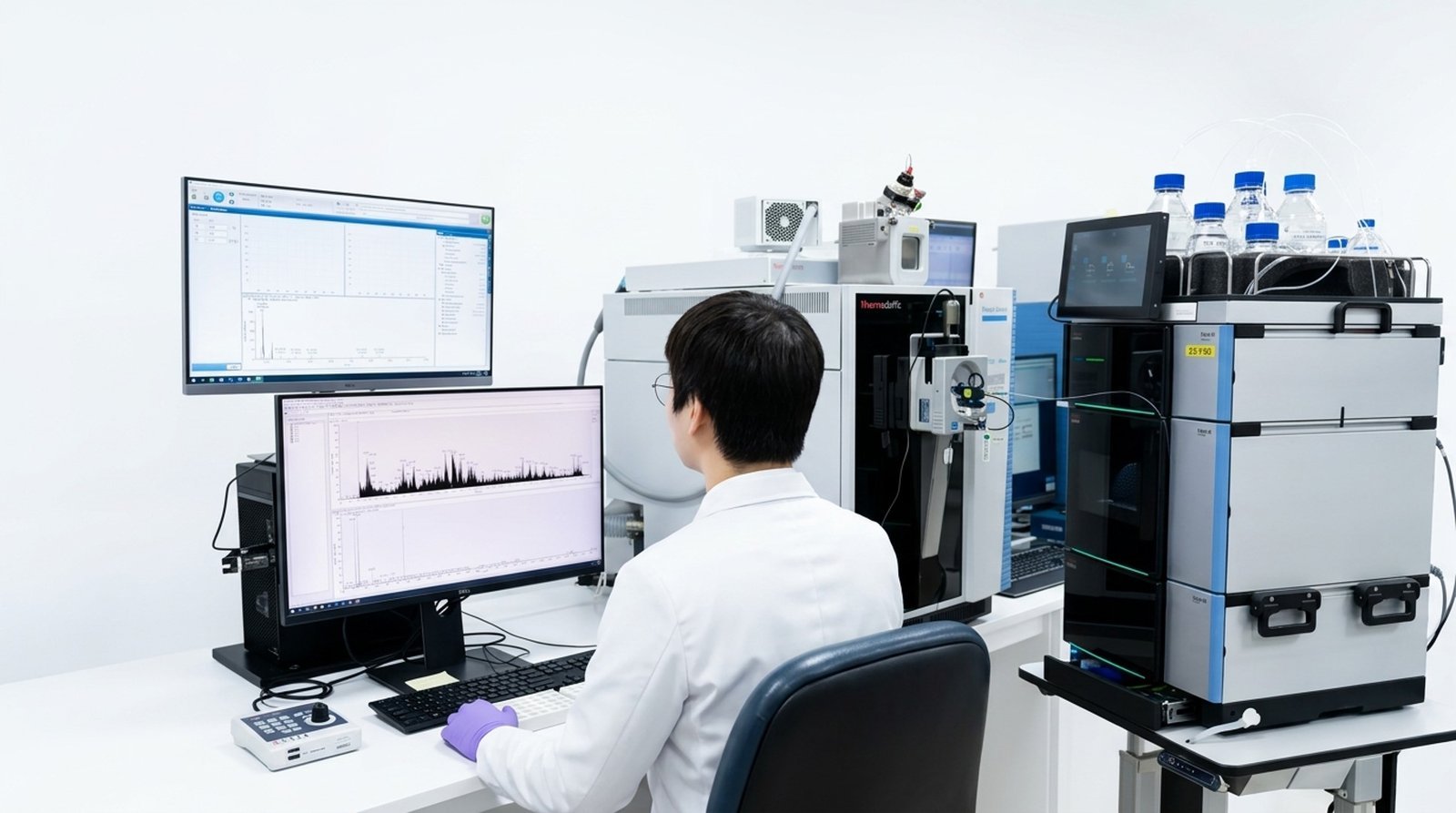
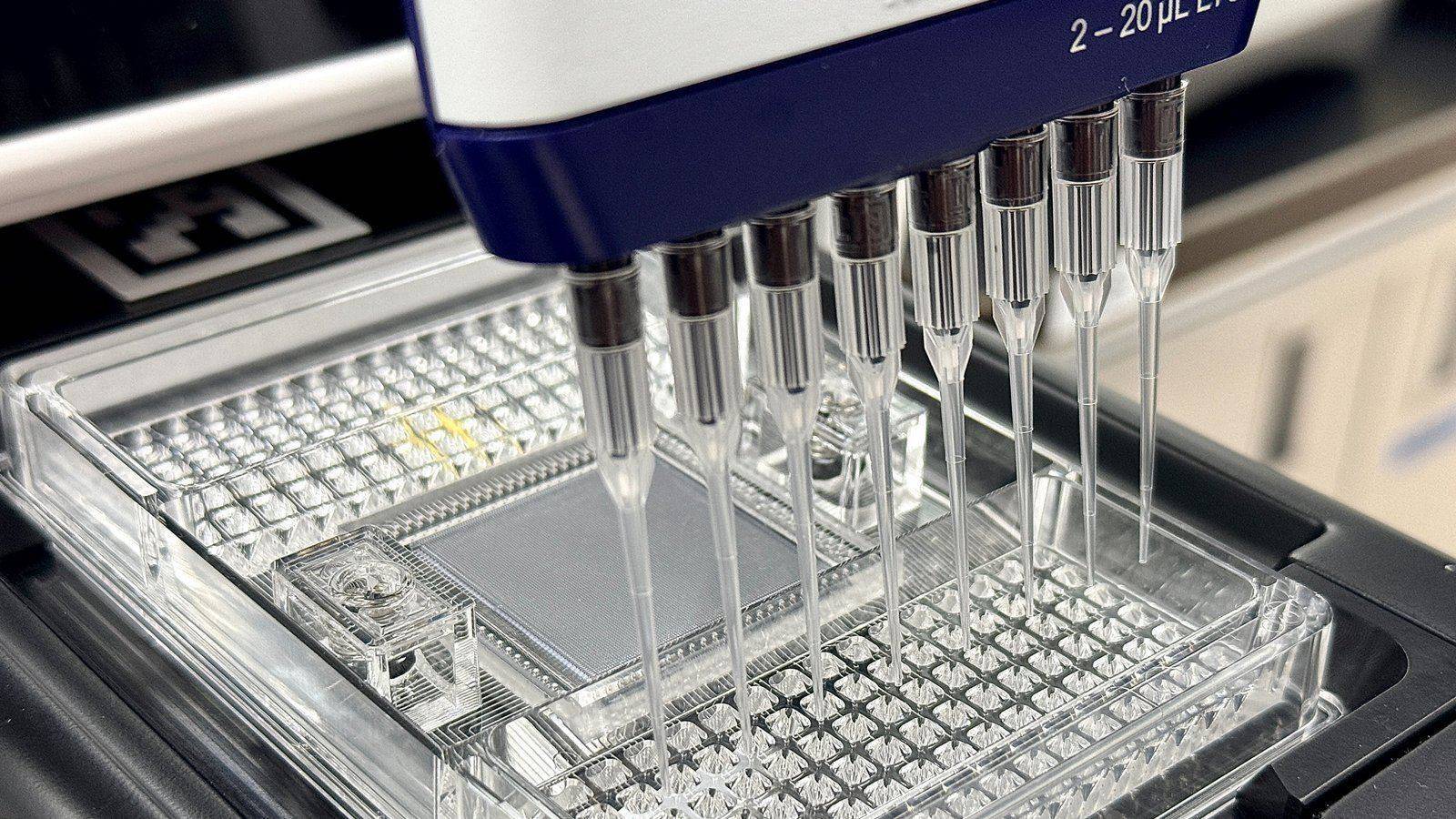
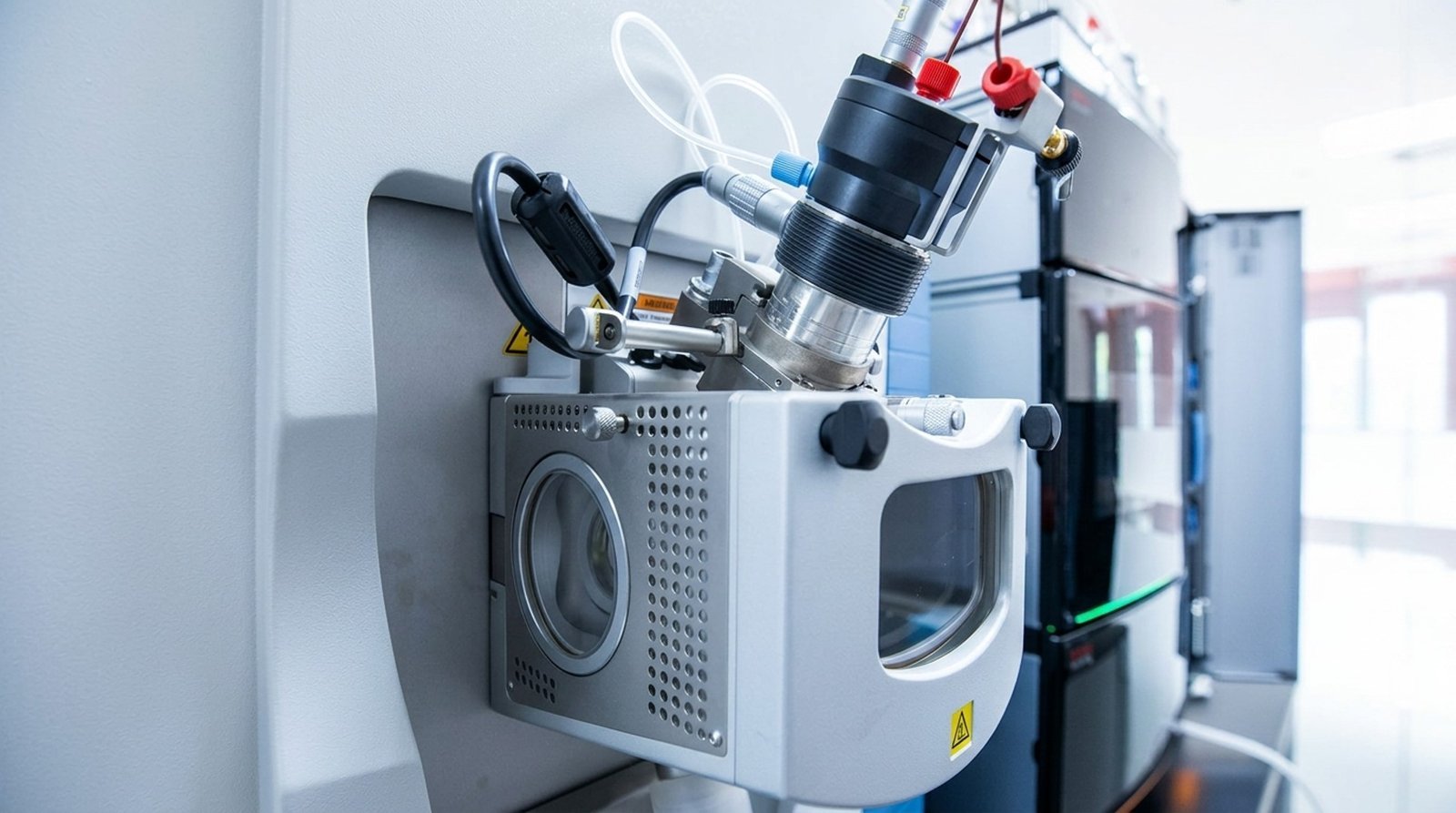
Based on this, the laboratory supports research such as disease biomarker discovery and translational studies across various specimens, drug-target discovery and response studies for new drugs, and environmental and nutritional research.
Proteomics
Proteins carry out the most important functions in the body and are the molecules that represent the phenotype. With the rapid advancement of genome analysis technology, a flood of previously unknown genomic information has emerged, increasing the need to understand the proteins directly related to actual phenotypes or diseases.
Based on ultra-high-resolution mass spectrometry systems and Olink, the Proteomics unit supports research for the development of protein biomarkers and translational studies that can monitor disease diagnosis and prognosis in diverse clinical and cell specimens such as blood, urine, CSF, and tissue.
Our core lab provides the following major research support services.
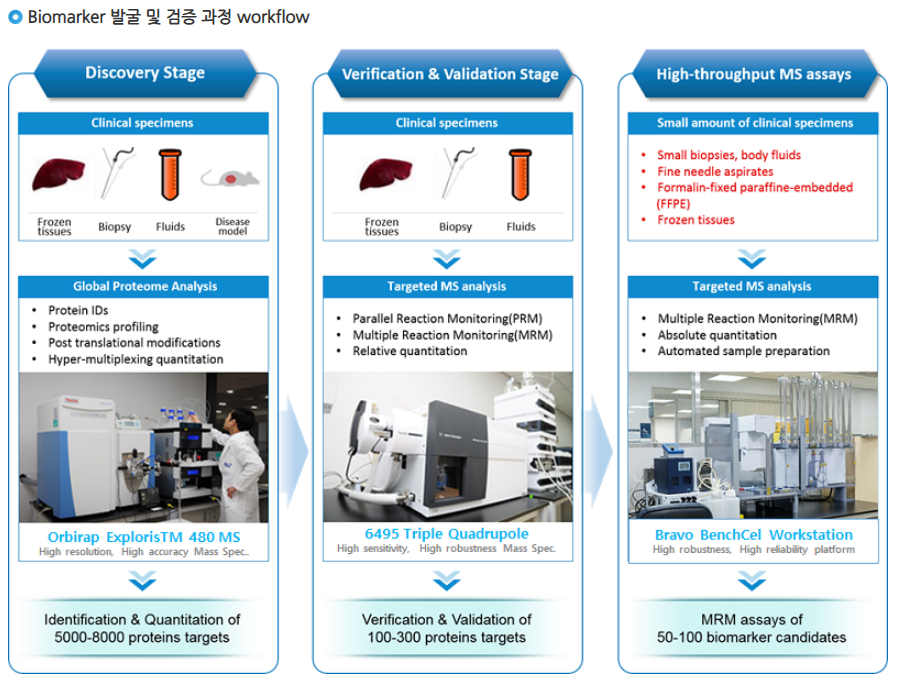
Mass Spectrometry-Based Proteomic Analysis
Biomarker Discovery Research
Using ultra-high-resolution mass spectrometry to discover candidate protein biomarkers in patients' tissue, blood, urine, and various biologically derived body fluids
Biomarker Verification Research
Performing verification & validation of candidate biomarkers in diverse body fluids through the PRM (parallel reaction monitoring) method, which enables absolute quantification of proteins based on mass spectrometry
Olink-Based Proteomic Analysis
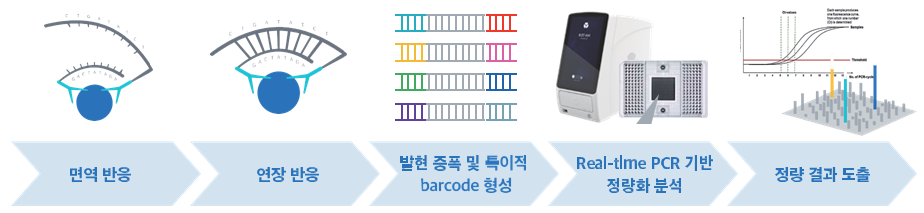
Olink protein analysis is a platform that quantifies proteins with high specificity and sensitivity using oligonucleotide-conjugated antibodies, based on PEA (Proximity Extension Assay) technology.
Signals are generated when two antibodies bound to the same target form a pair, which reduces non-specific signals and makes the platform suitable for multiplex protein analysis.
Our core lab provides the following research support services.
The Olink Target 48 panel is an absolute-quantification assay that produces concentration values in pg/mL, suitable for providing accurate concentration information on predefined target proteins.
The Olink Target 96 panel is a relative-quantification assay that produces NPX (Normalized Protein eXpression) values, used to analyze many proteins simultaneously for comparing protein expression between samples and for pattern analysis.
The Olink Reveal panel is a high-plex PEA panel using an NGS-based readout. It provides relative-quantification data based on NPX values and is suitable for research that comprehensively explores and analyzes 1,034 proteins.
Metabolomics
Metabolomics, along with genomics, transcriptomics, and proteomics, is a core omics field for understanding biological phenomena. It plays an important role in identifying disease-related biomarkers and molecular mechanisms by analyzing in vivo metabolic changes and metabolic networks.
Based on a molecular-biology understanding, our laboratory contributes to the development of early diagnostic markers, treatment-response prediction markers, and diagnostic technologies for various diseases through metabolite identification, analysis, and the development of quantification techniques.
The Metabolomics unit conducts the following major research.
1. Untargeted Metabolomics
An analytical method that uses ultra-high-resolution mass spectrometry to explore a broad range of metabolites in diverse biological specimens such as patients' tissue, blood, and urine, and to discover and validate metabolite biomarkers that enable disease diagnosis and treatment-response prognosis and prediction
2. Targeted Metabolomics
A quantitative analysis method for specific substances (endogenous metabolites, drug-concentration analysis, etc.) based on high-sensitivity mass spectrometry techniques such as SIM and MRM
Contact
Do-Hyun Han
(Professor, Department of Transdisciplinary Medicine · Medical Research Innovation Center (CMI), Room 2209)
02-2072-1719
Ji-Yeon Choi
(Medical Research Innovation Center (CMI), Room 2209)
02-2072-1719